551

autor
infoFerma
distribuie


publicat
2026 May 04
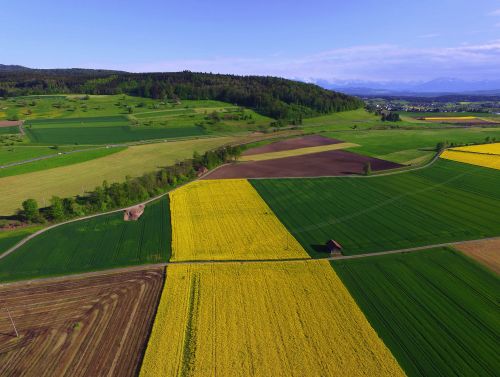
Regenerative agriculture is no longer a concept reserved for sustainability conferences — it is beginning to take shape with concrete locations and figures in Romania. Ferma Cățean, known for its traditional cheeses and meat products, announced in January 2026 a €1.4 million investment to transition to regenerative agriculture as its primary production model. Through this system, the farm aims to restore soil fertility, sequester carbon, and improve economic efficiency by reducing the number of agricultural operations. In Vlădeni, Dâmbovița County, Sol și Suflet operates as Romania’s first permanent innovation and education center dedicated to regenerative agriculture, built with a €150,000 investment by Kaufland Romania.
The economic arguments for transition are becoming increasingly difficult to ignore. A report conducted across 78 farms in 14 European countries shows that regenerative farms use 61% less synthetic nitrogen and 75% fewer pesticides, while still achieving a 20% higher profit margin per hectare. In the long term, an analysis conducted in Germany estimates that regenerative farms could be at least 60% more profitable after 6–10 years compared to conventional ones. A study including data from 85 countries found that crop rotation and diversification can increase biodiversity by 24%, improve water quality by 51%, and enhance soil health by 11%.
In Romania, farmers participating in carbon certification programs are beginning to directly monetize these practices. The Danish company Agreena, the first internationally accredited European soil carbon certification program, collaborates with over 100 Romanian farmers focused on sustainable practices. Farmers receive carbon certificates for each ton of CO₂ stored in the soil, certificates that can be sold on the voluntary carbon market. eAgronom Romania organized in November 2025, in Zădăreni, Arad County, a field day dedicated to regenerative crops, attended by over 130 farmers, consultants, and researchers — a signal that on-the-ground interest is real and growing.
However, barriers remain significant. The lack of dedicated educational programs, the bureaucracy of certification processes, and the initial cost of transition discourage small and medium-sized farms. The European Commission recommends that Member States prioritize regenerative agriculture in the implementation of the new CAP, but the specific funding framework for this approach is still under development in Romania. Farmers who wait for certainty before taking action risk losing a competitive advantage that others are already building.
(Photo: Magnific)
aflat
read