558

autor
infoFerma
distribuie


publicat
2026 March 31
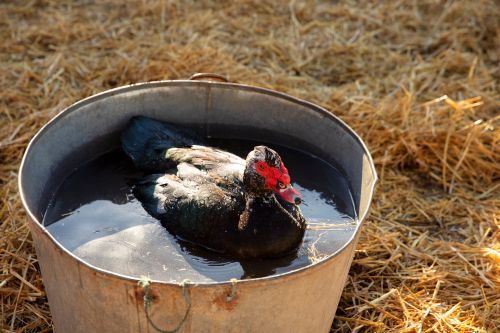
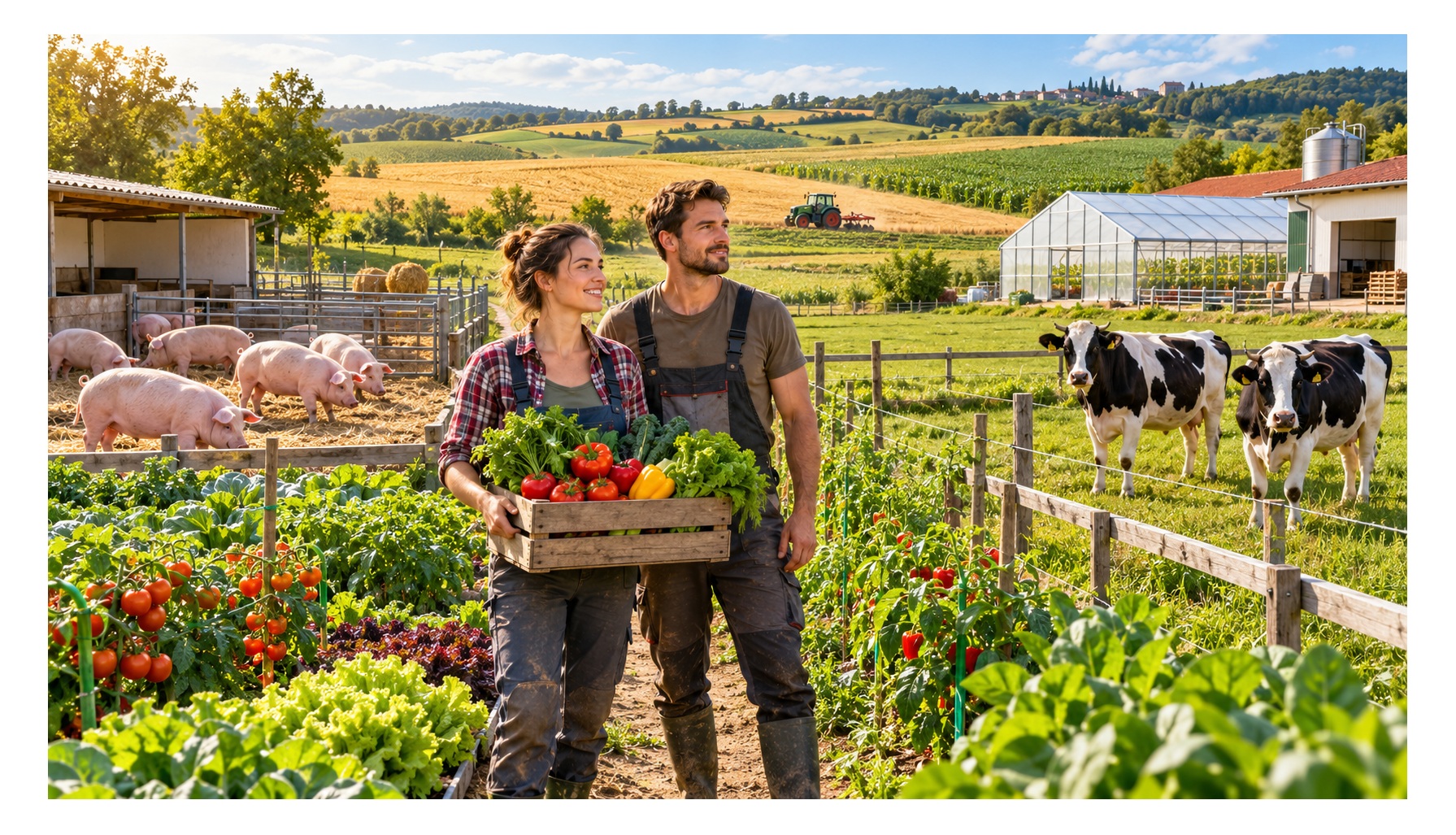
Water is the most consumed “nutrient” on a farm, yet it is rarely analyzed as carefully as feed. Water quality and access directly influence intake, digestion, and animal performance.
In dairy farms, a cow can consume between 70 and 120 liters of water per day. A reduction in water intake of just 10% can lead to production decreases of 5–10%. In the swine sector, insufficient consumption affects daily weight gain and feed conversion, with differences of up to 8–12% between groups.
In poultry farms, the ratio is even more sensitive: for every kilogram of feed consumed, a bird requires approximately 1.8–2.2 liters of water. Any interruption or limitation immediately reduces feed intake and growth rate.
Water quality is just as important as volume. High levels of bacteria, nitrates, or salts can affect digestion and health, even if the effects are not immediately visible. Regular testing and system cleaning are essential.
In practice, water is one of the least expensive resources on a farm, yet it has one of the greatest impacts on production. High-performing farms treat it as a technological factor, not as a secondary utility.
(Photo: Freepik)
aflat
read