666

autor
infoFerma
distribuie


publicat
2025 November 05
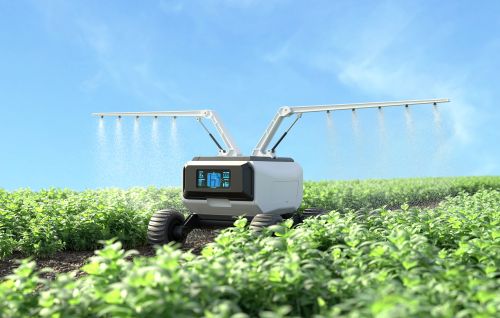
Automation has become the new standard of competitiveness in agriculture. As labor costs rise and resources become increasingly limited, European farms are rapidly adopting integrated technological solutions. According to DG AGRI (2024), the use of automated feeding, irrigation, and crop monitoring systems increases production efficiency by 15–25% and reduces input losses by more than 20%.
In Romania, the pace of digitalization remains slower, yet the upward trend is clear. In 2024, AFIR approved more than 950 projects dedicated to the purchase of smart equipment — from milking robots to sensor systems and autonomous tractors — with a total value of €110 million. These investments are supported through DR-20 and DR-30 measures under the CAP Strategic Plan (2023–2027), offering up to 70% non-reimbursable funding.
The benefits are significant: real-time data collection enables faster decisions, precise work planning, and reduced dependency on external factors. According to Eurostat, digitalized farms achieve labor productivity up to 30% higher than traditional holdings.
Automation does not mean the disappearance of human work — it means its transformation. Farmers are becoming data managers, while manual tasks are replaced by control, analysis, and strategic decision-making. In a modern agricultural economy, technology is no longer a luxury — it is the foundation of economic resilience.
(Photo: Freepik)
aflat
read