764

autor
infoFerma
distribuie


publicat
2025 November 17
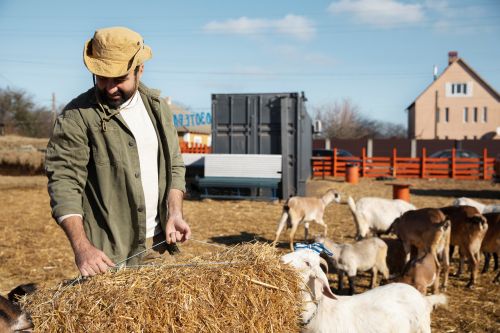
Feed quality is one of the main factors determining productivity in livestock farms. According to analyses by EFSA (2024) and DG AGRI, the structure and quality of feed directly influence animal health, feed conversion, and production performance, especially in the cattle, pig, and poultry sectors.
In Romania, INS data (2024) show significant variations in domestic production of cereals and fodder crops, which force farms to adjust their feed formulas based on availability and market prices. In drought years, the decline in feed quality and volume directly affects herd performance, increasing production costs.
The Ministry of Agriculture and Rural Development (MADR), through its recommendations for the CAP Strategic Plan (PNS) 2023–2027, emphasizes the need to monitor feed quality and perform regular nutritional analyses. Farms that use digital management systems and automatic ration weighing achieve higher efficiency and lower losses, according to the institution’s technical evaluations.
At the European level, the trend is clear: reducing dependence on low-quality feed and adopting nutrition systems calibrated on real data. This is becoming essential in the context of climate change, where production stability increasingly depends on optimizing internal resources.
Feed quality is not just a technical indicator but a determining factor of economic performance in livestock farms. Farms that invest in monitoring, proper storage, and accurate formulations achieve superior results and more controlled costs.
(Photo: Freepik)
aflat
read