580

autor
infoFerma
distribuie


publicat
2026 March 25
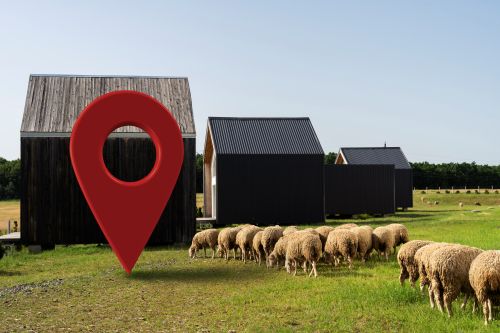
Farm size is one of the most important factors influencing cost structure and economic stability in livestock farming. Large farms benefit from economies of scale but are exposed to risks proportional to the volume of activity.
In large commercial farms, fixed costs—such as infrastructure, equipment, and labor—are distributed across a higher number of animals, which reduces the unit cost. For example, a dairy farm with 300 head can have labor costs below EUR 0.05 per liter, while in small-scale operations these can exceed EUR 0.10 per liter.
At the same time, large farms require substantial working capital. Monthly budgets can exceed EUR 100,000, and any price fluctuation or sanitary issue can have a major financial impact.
Small farms have higher unit costs but are more flexible and can adapt production structures more quickly. In certain cases, they can also capitalize more efficiently on output through direct sales or value-added products.
(Photo: Freepik)
aflat
read