726

autor
infoFerma
distribuie


publicat
2025 December 05
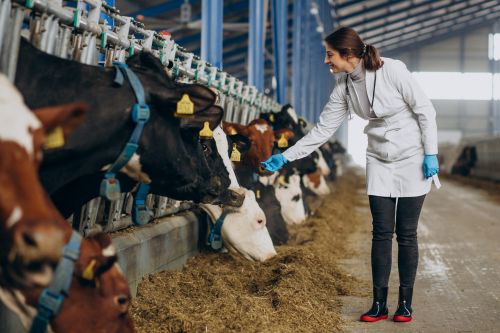
Mastitis is one of the most costly conditions encountered on dairy farms, affecting both milk production and milk quality. According to EFSA and DG AGRI assessments, subclinical mastitis is present in over 20–30% of monitored areas at the European level, and economic losses can reach up to 10% of a farm’s annual output. In Romania, INS (2024) and data collected through performance control programmes indicate a significant incidence, particularly in farms where milking and hygiene systems have not been modernised.
EFSA data show that pre-milking hygiene, post-milking disinfection, and proper equipment maintenance significantly reduce the risk of contamination. Somatic cell count control remains an essential indicator, and European farms that implement rigorous monitoring programmes manage to reduce subclinical mastitis and improve the quality of the milk delivered to processors.
PNS 2023–2027 places emphasis on housing conditions and animal welfare, including ventilation, resting comfort, and the elimination of stress factors. In addition, AFIR supports investments in modern milking equipment, cooling tanks, and automated technologies, which contribute to lowering the incidence of mastitis.
Mastitis control remains a strategic priority for dairy farms, directly influencing profitability, product quality, and compliance with European standards.
(Photo: Freepik)
aflat
read