635

autor
infoFerma
distribuie


publicat
2025 December 18
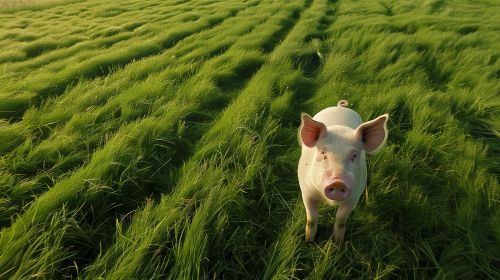
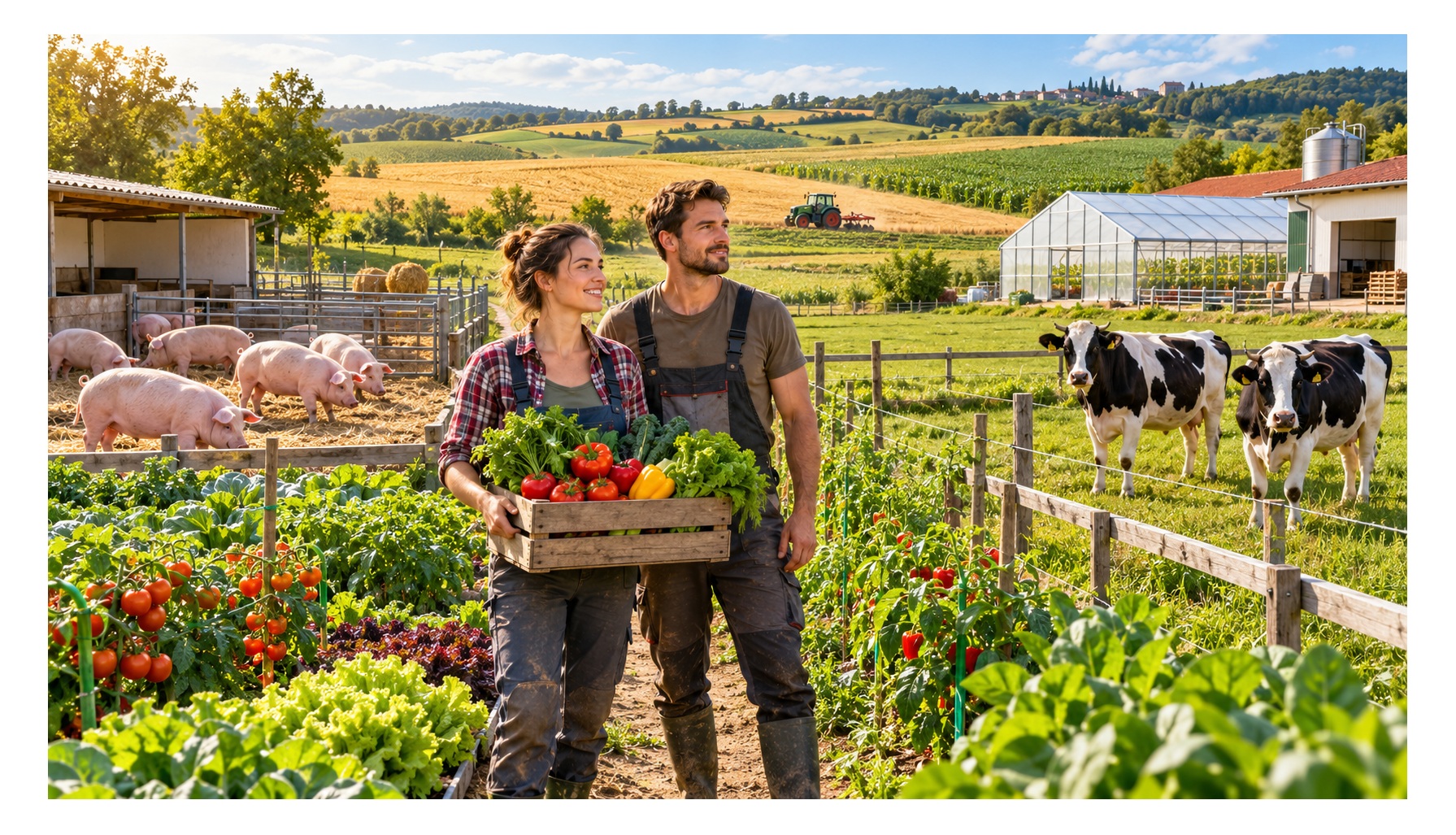
Feed conversion is the main economic indicator in pig farms, accounting for over 60% of total production costs. In high-performing European farms, feed conversion during the fattening phase ranges between 2.4 and 2.7 kg of feed per kg of weight gain, while values above 3.0 indicate significant technological losses. These differences are influenced by genetics, feed quality, and microclimate management.
Housing temperature plays a major role. Deviations from the optimal range can increase feed conversion by 5–8% by reducing feeding efficiency and increasing the animals’ energy expenditure. The structure of the ration and feed particle size also influence digestibility and batch uniformity. Diets not adapted to the growth phase frequently lead to inefficient intake and extended fattening cycles.
In Romania, modern farms are approaching European benchmark values, while older operations record poorer feed conversion, with a direct impact on competitiveness. For 2025, improving feed conversion remains one of the fastest ways to reduce costs through management and formulation adjustments, without increasing the volume of feed used.
(Photo: Freepik)
aflat
read