699

autor
infoFerma
distribuie


publicat
2025 December 09
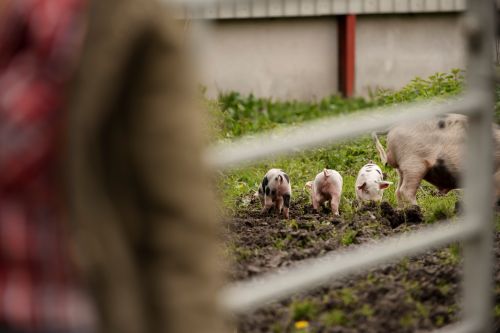
Feed costs represent the most important component of the financial structure in swine farms, accounting for 60–70% of total expenditures. The evolution of cereal prices in 2024–2025 shows a relatively stable range in the EU, with corn at around 210–225 euros/ton, while feed wheat remains between 225–240 euros/ton. In Romania, reported prices are similar, with regional variations driven by local availability and logistical costs.
Differences between farms become visible in feed conversion performance. European evaluation models show that gilts and piglets with a specific intake of 2.6–2.8 kg feed/kg gain fall within the optimal efficiency range, while farms operating with outdated technology frequently exceed 3.2 kg. This decreases competitiveness and increases financial risk. Strict control of feed moisture, uniform grinding, and adherence to feeding stages reduce technological losses by 6–10%, according to European technical reports.
In 2025, cereal market volatility remains a risk factor; however, farms that calibrate their feed formulations based on nutritional analyses and use automated distribution systems manage to stabilize costs. Romania is gradually aligning with European standards, and performance differences are increasingly influenced by feed management rather than crop production levels alone.
(Photo: Freepik)
aflat
read