603

autor
infoFerma
distribuie


publicat
2026 January 19
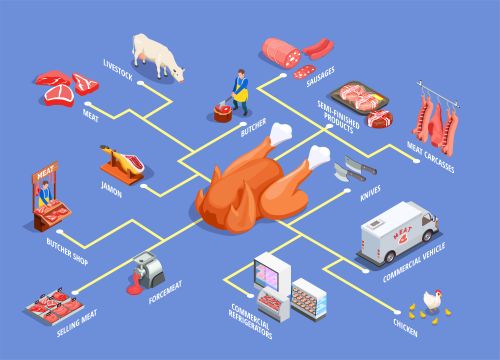
In 2024–2025, the meat industry in the European Union experienced sustained pressure from energy costs. According to Eurostat, energy prices for industrial users in 2025 remained above the 2015–2019 average, even though extreme volatility had eased.
From an economic standpoint, energy represents a critical fixed cost in meat processing, as it is indispensable for refrigeration, freezing, slaughtering, and packaging. Even moderate fluctuations in energy prices are directly reflected in the cost per kilogram processed, affecting the margins of lower-efficiency facilities.
From a legislative perspective, European Union policies on the energy transition and emissions reduction impose additional investment requirements. Facilities that have invested in energy efficiency or in their own energy sources are better positioned for 2026, while processors dependent on the grid remain vulnerable to price shocks.
For the meat industry, 2026 is shaping up as a year in which control over energy costs becomes an essential condition for maintaining competitiveness.
(Photo: Freepik)
aflat
read