524

autor
infoFerma
distribuie


publicat
2026 February 11

The Romanian agri-food chain is marked by imbalances between production, processing, and distribution. According to the European Commission, added value is predominantly concentrated in the final stages of the chain, while farmers and primary processors operate with low margins.
In Romania, the lack of long-term contracts amplifies this problem. INS data show that a large share of agricultural production is traded on the spot market, which transfers price risk to producers. Small and medium-sized processors are caught between rising costs and limited negotiating power with retail.
Another factor is the fragmentation of supply. Without consistent volumes and standardization, access to stable distribution channels remains limited. From an economic perspective, this fragmentation reduces the capacity to capture value and favors imports of processed products.
For 2026, balancing the chain from farm to shelf becomes essential. Contractual integration, cooperation, and coordinated investments can reduce value losses. In the absence of these mechanisms, profit continues to be eroded in the most vulnerable links of the agri-food chain.
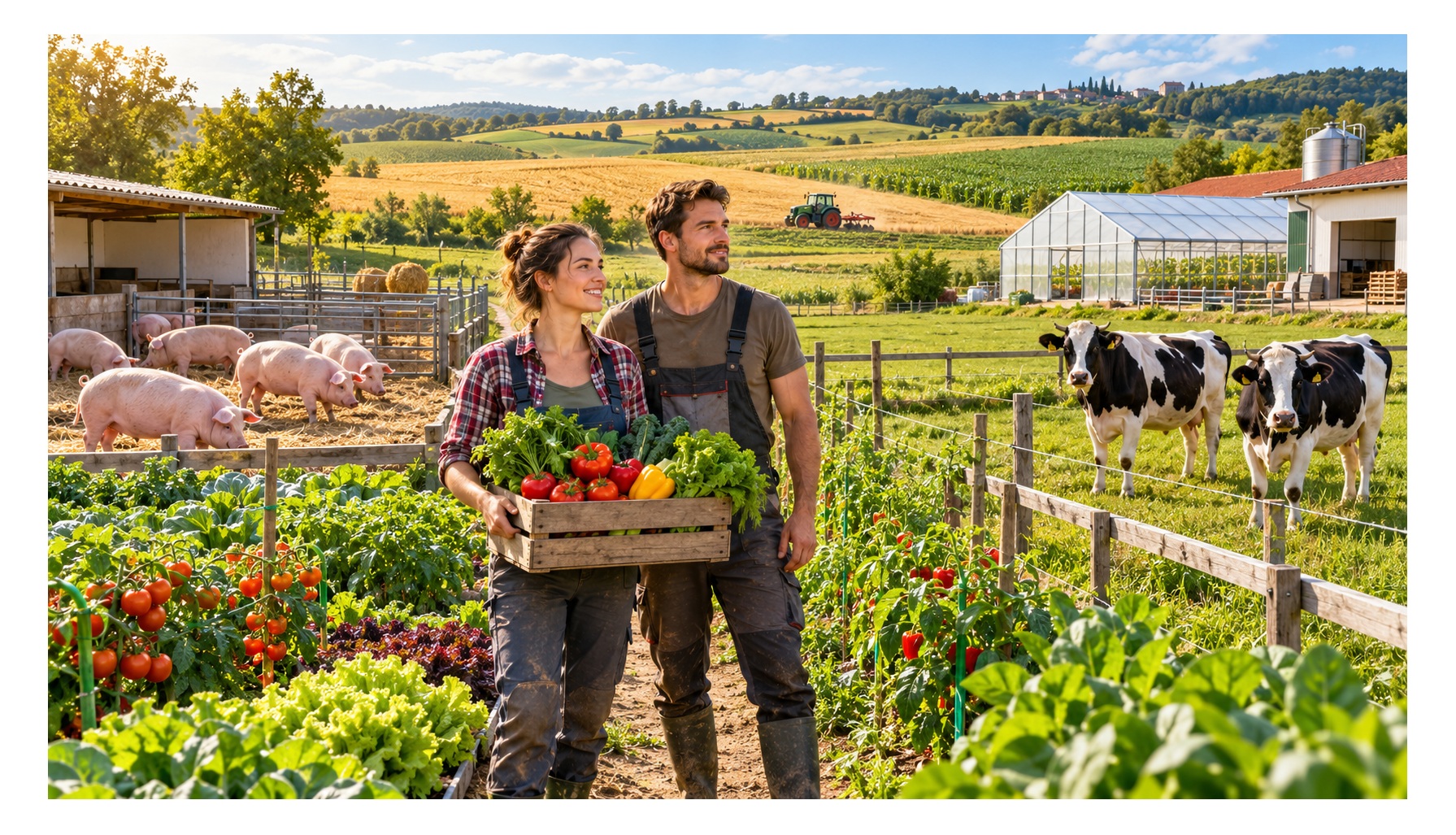
(Photo: Freepik)
aflat
read