621

autor
infoFerma
distribuie


publicat
2026 February 02
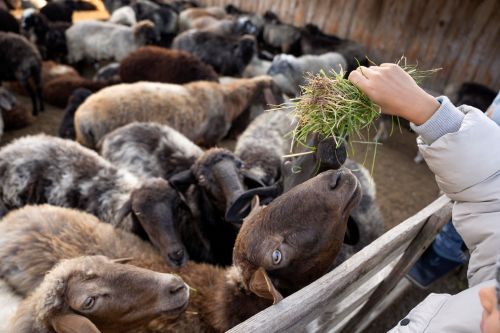
Animal stocking density is one of the most underestimated performance factors in livestock farms, despite its direct influence on feed consumption, animal health, and mortality. European technical analyses show that exceeding optimal density can reduce average daily gain by 6–10%, alongside an increase in feed conversion ratios. In pigs and poultry, excessive density promotes competition for feed and water, social stress, and the emergence of aggressive behaviors.
In cattle farms, high density in resting areas shortens lying time, negatively affecting rumination and milk production. A reduction in resting time by one hour per day can decrease milk yield by 0.7–1 liter per cow per day. Stocking density also affects the microclimate, increasing humidity levels and gas concentrations, with adverse effects on respiratory health.
High-performing farms use stocking density as a management tool, adjusting herd size according to production stage and the actual capacity of housing facilities. For 2025, optimizing density remains one of the fastest ways to improve performance without major capital investments.
(Photo: Freepik)
aflat
read