460

autor
infoFerma
distribuie


publicat
2026 April 01
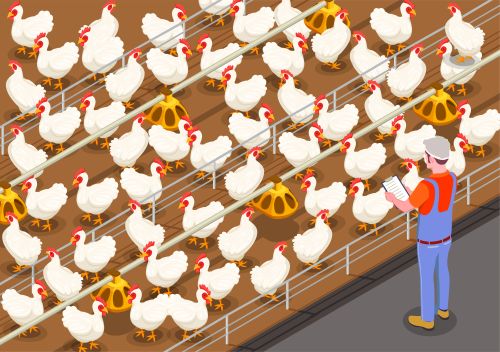
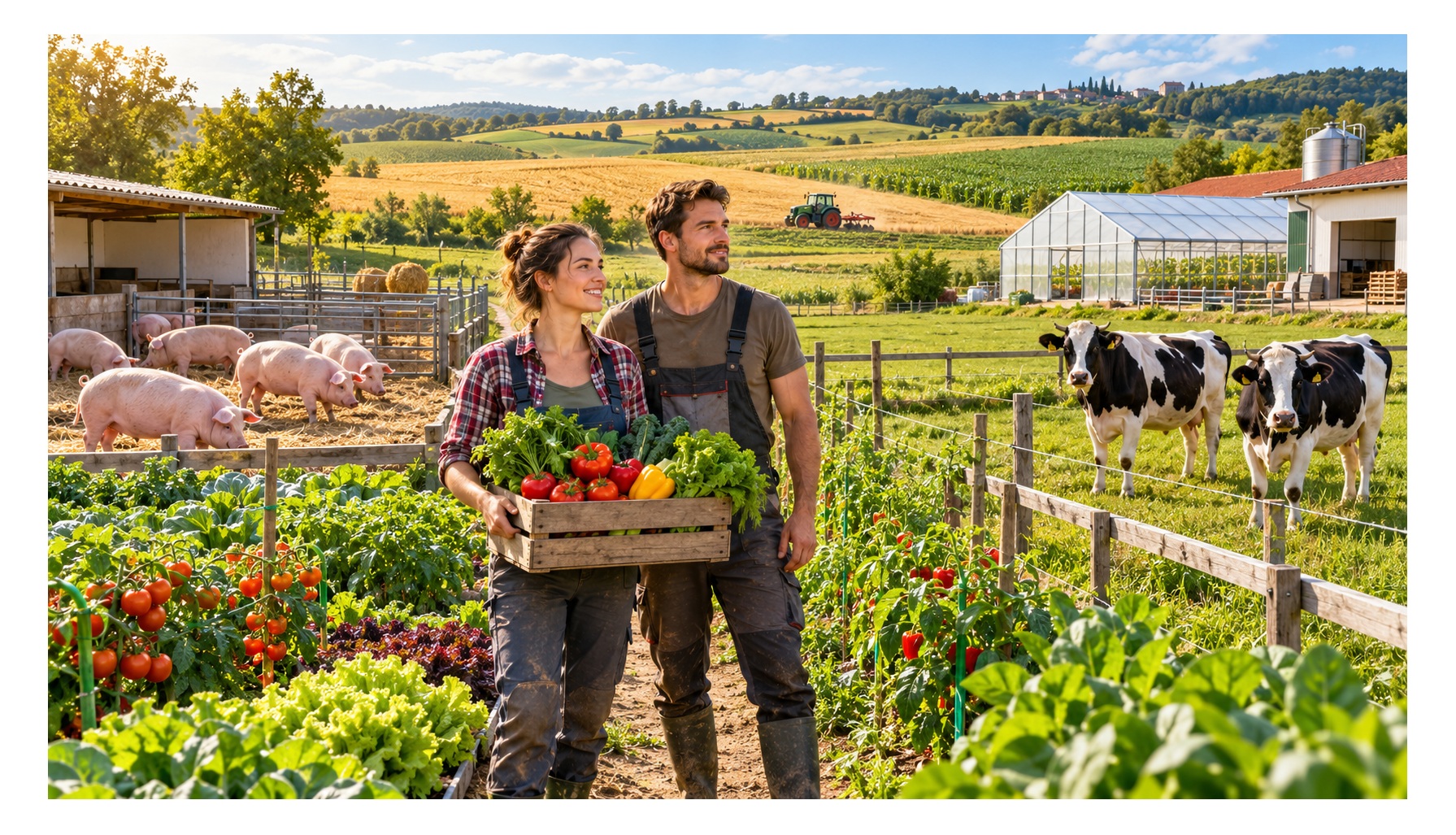
Overcrowding is one of the most common errors in livestock operations, particularly during periods when farmers attempt to maximize short-term production. However, increasing stocking density beyond the optimal level negatively affects both performance and production stability.
In the poultry sector, exceeding the recommended density can reduce growth rates by 5–10% and increase mortality by 1–3%. Limited access to feed and water, as well as competition among animals, affects flock uniformity.
In pig farms, insufficient space leads to stress, aggression, and variations in feed intake. Weight differences between animals increase, and the time required to reach market weight is extended.
In dairy farms, overcrowding reduces resting time and access to feed, which directly impacts production. A reduction in rumination time or access to the feed bunk can lead to production decreases of 5–8%.
Optimal stocking density is not a cost, but a prerequisite for stable performance. Farms focused on consistent production prioritize balance over space overutilization.
The right decision is not “how many animals can fit,” but “how many animals can perform under those conditions.”
(Photo: Freepik)
aflat
read