620

autor
infoFerma
distribuie


publicat
2026 April 20
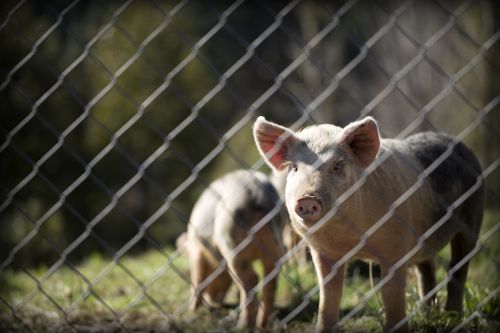
Romania’s pig sector operates within a persistent structural imbalance, characterized by a high dependence on imported piglets for fattening. Although Romania has a total pig population of approximately 3 million head, according to data from the National Institute of Statistics, domestic breeding capacity is insufficient to support demand from commercial farms. As a result, a significant share of piglets entering the production cycle originates from European Union member states, particularly Denmark, the Netherlands and Germany.
Eurostat data indicate that Romania imports a significant annual volume of live piglets, depending on production cycles and epidemiological developments. This model creates direct dependence on the external market for an essential link in the production chain, reducing the ability to control costs and exposing farmers to price volatility.
The main cause of this deficit is the decline in breeding sow populations over the past decade, amid sector restructuring and the impact generated by African swine fever. According to the National Sanitary Veterinary and Food Safety Authority, outbreaks have led to the culling of hundreds of thousands of animals and a reduction in breeding capacities.
Reducing dependence on imports requires investment in breeding farms, modernization of existing capacities and stabilization of the sanitary-veterinary framework. Funding programs through the Agency for the Financing of Rural Investments provide opportunities for the development of this segment, yet the pace of implementation remains moderate, and the sector continues to operate within a dependent model, with implications for competitiveness and the trade balance.
(Photo: Freepik)
aflat
read