771

autor
infoFerma
distribuie


publicat
2025 December 15
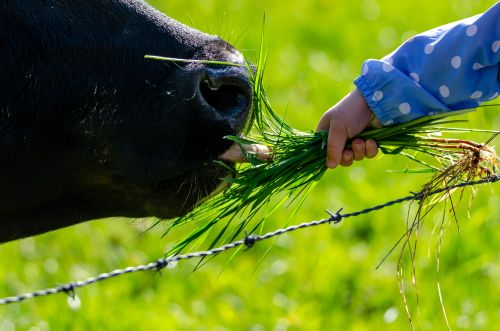
Pastures are one of the most valuable resources of cattle farms, and the efficiency of their use directly influences costs and zootechnical performance. European assessments from 2024 show that a well-managed pasture can support between 1.2 and 2.0 livestock units (LU) per hectare, depending on fertility, moisture, and sward quality. In areas with adequate rainfall, production can reach 8–10 t of dry matter per hectare, while regions affected by drought fall below 5 t/ha.
Pasture quality depends on the proportion of valuable species, plant density, and regeneration capacity. Rotational grazing can increase total production by 10–15% by reducing overstocking and protecting the soil. Maintaining an optimal grass height promotes voluntary intake and improves average daily gain in young cattle, according to European technical reports.
In Romania, regional differences are evident: hilly areas show higher productivity, while the south and east are limited by water stress. Investments in moderate fertilization, reseeding, and planning grazing periods are becoming essential for improving efficiency. In 2025, competitive farms will be those that manage to adapt pasture management to increasingly variable climatic conditions.
(Photo: Freepik)
aflat
read