515

autor
infoFerma
distribuie


publicat
2026 April 22
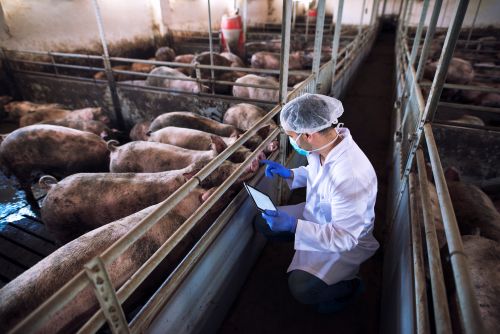
Romania’s pig sector is experiencing a tension in 2025 that is difficult to ignore: official figures show growth, but farmers on the ground are speaking about a structural crisis. The total number of pigs increased by 2.8% in 2024 compared to 2023, while the breeding herd — breeding sows — recorded a 14.8% increase. However, these improvements come after years of severe contraction caused by African swine fever.
The disease, present in Romania since July 2017, has left deep scars. While in November 2021 there were more than 1,600 active outbreaks, including over 80 in commercial farms, by March 2026 the situation had improved considerably — no commercial farm was affected anymore, with the remaining outbreaks concentrated in household farms and wild boar populations. This positive development was made possible through massive investments in biosecurity and better cooperation between farmers and veterinary authorities.
Economic pressures, however, have not disappeared. The sale of pigs by unauthorized individuals increased significantly in 2025, reaching an estimated 604,000 head, which is 330,000 more than in 2024, directly affecting the market of authorized farms. This is compounded by massive imports and the absence of a national reference price, placing Romanian farms in a position of unequal competition. Large farms, which account for approximately 70% of total production, have managed to remain competitive through investments in automation and high-performance genetics, while small and medium-sized farms are struggling to comply with the standards imposed by ANSVSA.
The lesson of recent years is clear: biosecurity is not an optional cost, but the fundamental condition for survival in the pig sector. The farms that understood this early on are today the most resilient.
(Photo: Freepik)
aflat
read