581

autor
infoFerma
distribuie


publicat
2026 April 23
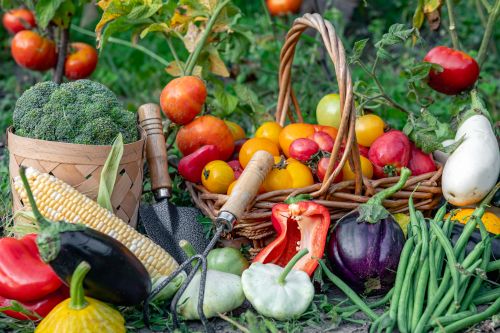
Romania’s crop agriculture sector experienced a harsh lesson in 2024 and 2025 about dependence on climate conditions and irrigation systems. National Institute of Statistics (INS) data confirms that 2024 was a year of widespread contraction: total cereal production declined by 14%, although cultivated land decreased by only 2%. Corn was the most affected crop, with a dramatic 31.5% collapse, followed by rapeseed (-35%), sunflower (-26%), and soybeans (-2.6%) — all victims of the severe drought that affected several regions of the country.
The year 2025 brought a spectacular recovery. According to recently published INS data, grain cereal production increased by 37.2% compared to 2024, mainly due to higher yields per hectare. Wheat accounted for 45.3% of the land cultivated with cereals, while corn represented 38.6%. Vegetable production increased by 20.8%, potato production by 10%, and sunflower production by 35.7%. The only negative exceptions were orchard fruits (-12.9%), affected by late frost in April–May 2025, and sugar beet (-19.5%).
Romania ranks among the top countries in the European Union in terms of cultivated areas — first place in corn and sunflower, and fourth place in wheat — but remains far behind European leaders when it comes to yield per hectare. This contradiction defines the structure of Romanian agriculture: enormous land potential managed inefficiently due to excessive farm fragmentation and insufficient irrigation infrastructure. More than 900 mega-farms larger than 1,000 hectares account for a significant share of cereal and oilseed production, while thousands of small farms continue to operate with outdated technology.
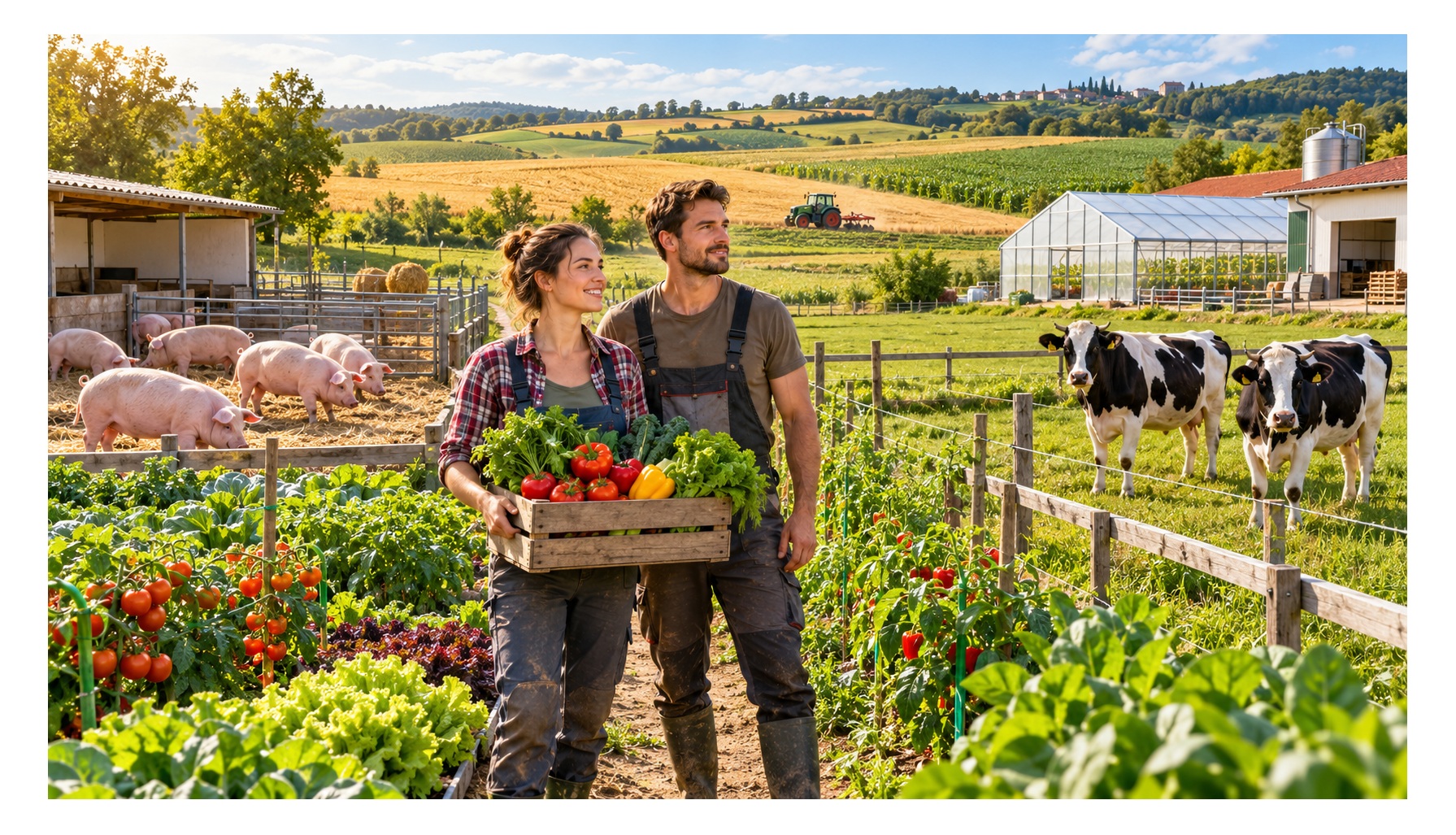
Mixed farms — combining crop production with livestock farming — represent the most promising long-term strategic model. Integrating the two sectors ensures the use of internally produced feed, reduces dependence on input markets, and generates more stable revenue streams. European support available through the CAP Strategic Plan 2023–2027 and APIA subsidies of €51.42/hectare for redistributive support theoretically create the necessary conditions for this transition — it now remains up to farmers and institutions to capitalize on them.
(Photo: Freepik)
aflat
read