762

autor
infoFerma
distribuie


publicat
2025 November 13
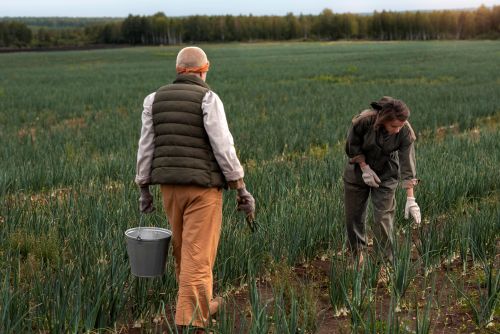
Romanian agriculture is facing a structural labour shortage, a trend confirmed by both INS statistics and European analyses. According to INS data (2024), the number of people employed in agriculture has been steadily declining over the past decade, driven by migration and an ageing workforce. The age structure highlights a concerning imbalance: the over-55 segment represents the largest share, while young workers are significantly underrepresented.
Eurostat’s Farm Structure Survey shows that Romania is among the EU countries with the lowest proportion of farmers under the age of 40. At the same time, more competitive wages in other sectors and seasonal migration add further pressure on both livestock and crop farms, where operations require constant staffing.
Against this backdrop, automation is becoming the key solution across the European Union. According to DG AGRI’s 2024 report on smart technologies, farms adopting automated milking, feeding or monitoring systems can reduce manual labour needs by 10–20%, depending on the sector. Romania supports this transition through the interventions included in the 2023–2027 CAP Strategic Plan, where AFIR finances modernisation equipment, digitalisation and livestock-management systems.
The labour shortage is not merely a temporary challenge. Official data point to a structural transformation of agriculture, and farms investing in technology and professional training stand the best chance of remaining competitive in the 2025–2030 horizon.
(Photo: Freepik)
aflat
read