513

autor
infoFerma
distribuie


publicat
2026 January 28
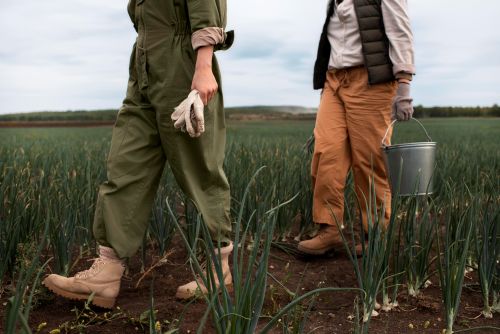
Labour has become one of the most sensitive economic constraints for Romanian farms. According to data from the National Institute of Statistics (INS) and Eurostat, between 2015 and 2024 the number of people employed in agriculture declined by more than 30%, driven by migration, the ageing of the rural population, and the sector’s lack of attractiveness for younger workers.
During the 2024–2025 period, labour costs in agriculture increased at a faster pace than productivity. INS data indicate annual increases of 10–15% in personnel expenses, driven by minimum wage hikes and competition with other economic sectors. Although the share of wages in total farm costs remains lower than that of inputs, the impact on cash flow has become increasingly visible.
The shortage of skilled labour directly affects operational efficiency. The lack of machinery operators, technicians, and livestock specialists leads to delays in field operations, production losses, and additional costs. In many farms, productivity is constrained not by technology, but by the availability of human resources.
Looking ahead to 2026, the core issue is not only wage levels, but labour predictability. Without stability and adequate skills, farms remain exposed to operational risks with direct economic impact.
(Photo: Freepik)
aflat
read