739

autor
infoFerma
distribuie


publicat
2025 November 25
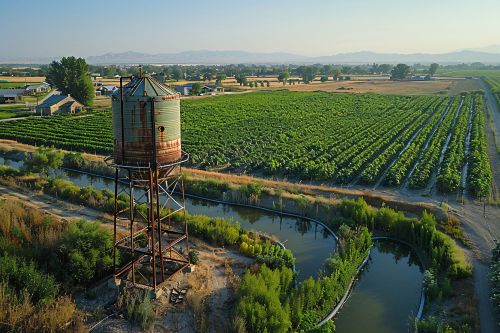
Water is becoming the strategic resource of European agriculture, and Romania is directly affected by hydrological variability. According to INS (2024), moderate or severe soil drought has impacted large areas in the southern and eastern parts of the country, influencing agricultural production as well as water requirements in both crop and livestock farms.
At the European level, the European Commission’s Water Scarcity Report 2024 indicates increasing pressure on water resources, especially in southern regions. Romania is classified as a country with medium to high risk, with clear recommendations regarding the modernization of irrigation infrastructure and distribution systems.
In livestock farms, water consumption is directly correlated with productivity. According to EFSA, continuous access to clean water influences feed conversion, animal health, and thermal comfort, particularly during periods of high temperatures. In crop farms, the use of drip irrigation technologies, moisture sensors, and digital monitoring reduces water consumption by 20–40%, according to DG AGRI assessments.
The PNS 2023–2027 places emphasis on investments in water management, and AFIR finances projects for local irrigation systems, connections, efficient pumping solutions, and water storage. Farms implementing these solutions achieve greater stability and improved control of climate risks.
Water management is becoming a structural component of competitiveness. Rapid adaptation is essential for Romanian farms in 2025.
(Photo: Freepik)
aflat
read