756

autor
infoFerma
distribuie


publicat
2025 December 05
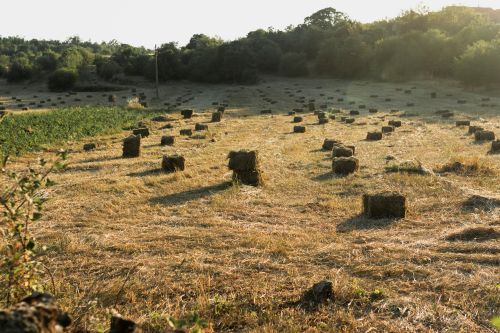
Climate variations in recent years have significantly affected the production of feed, impacting the economic stability of livestock farms. According to INS (2024), the yields of silage maize, alfalfa, and green fodder have shown considerable fluctuations, especially in the south and southeast of the country — regions where severe pedological drought has been more intense. Eurostat confirms that these climate deviations are also visible at the European level, where forage crops are among the most vulnerable to water and thermal stress.
Evaluations by DG AGRI – Climate Impact Report 2024 show that farms exposed to repeated heat-wave periods experience production losses of 15–35%, depending on the type of crops and the soil structure. Such fluctuations place pressure on farm budgets, since the cost of purchased feed remains high and dependence on the open market increases.
In Romania, PNS 2023–2027 encourages the adoption of production systems adapted to climate change, including efficient crop rotations, use of drought-tolerant varieties, and investments in local irrigation. AFIR supports, through dedicated programs, the acquisition of equipment for irrigation, ensiling, and storage — to reduce losses during critical periods.
Farms that implement soil moisture monitoring, rotation planning, and crop diversification manage to stabilize their forage production in the face of unpredictable climatic conditions. Climate variations will remain a determining factor for farm planning in 2025.
(Photo: Freepik)
aflat
read