590

autor
infoFerma
distribuie


publicat
2026 May 07
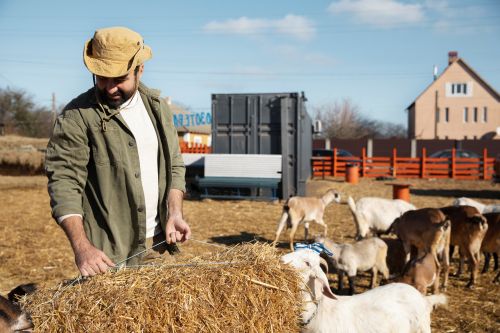
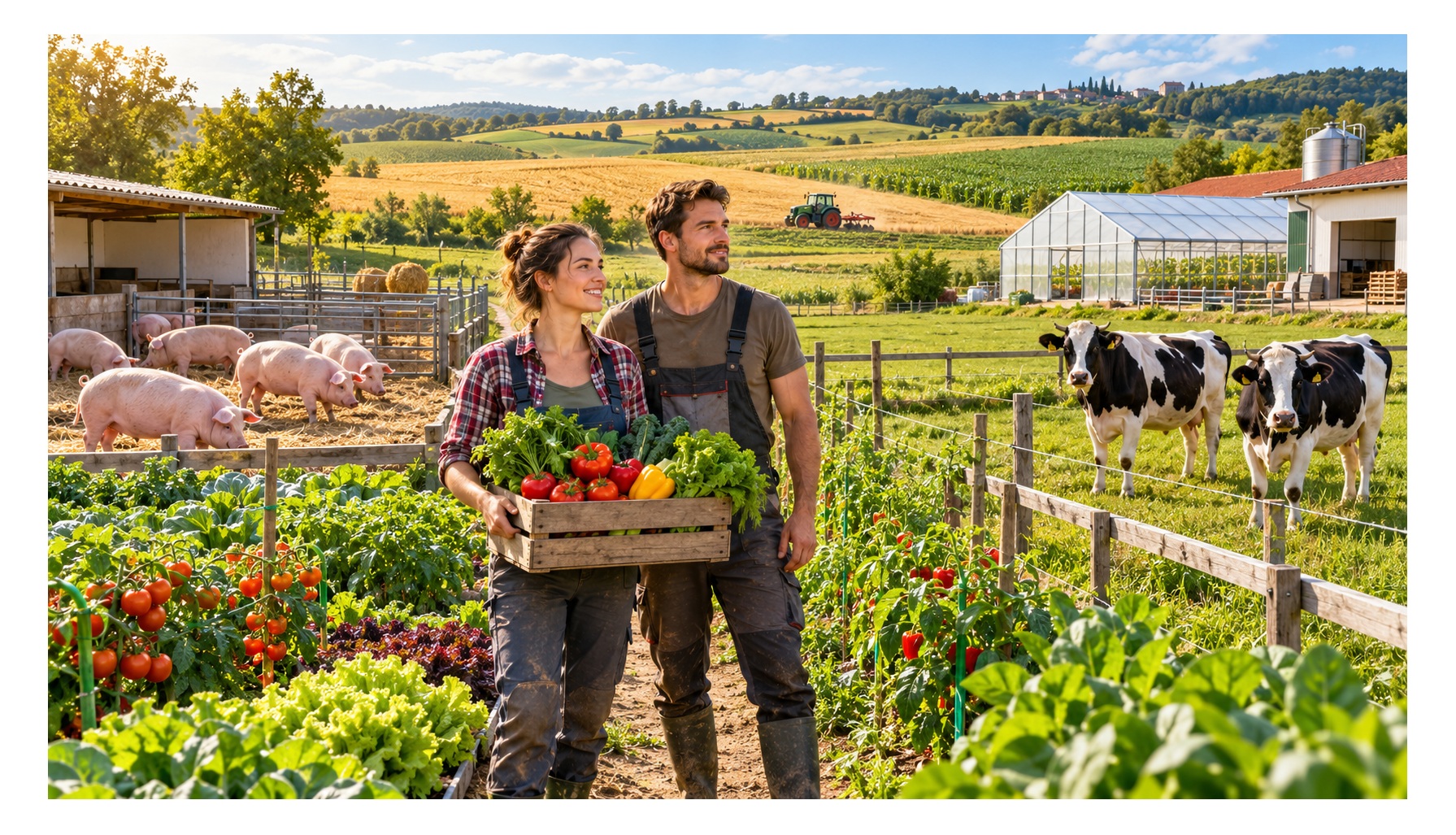
The short food supply chain — defined by the European Union as a supply chain involving a limited number of economic operators, with close geographical and social relations between producers, processors, and consumers — is no longer a concept reserved for conferences on sustainable agriculture. In Romania in 2025, it has gained a concrete presence and identifiable actors. On October 16, 2024, at Băcănia Veche in Bucharest, the Short Food Supply Chain Association was officially launched, acting as a facilitator of direct relationships between producers and consumers, particularly in the B2B HoReCa segment. The initiative, led by Marius Tudosiei, starts from a reality documented by Euronews Romania: Romanian vegetables are a rarity in restaurants, although production exists.
The economic argument of the short supply chain is simple and verifiable. A farmer who sells directly at the market, through an urban food hub, or directly to a restaurant eliminates between two and four links in the distribution chain — and recovers part of the margin that would normally go to intermediaries. European studies on short food supply chains confirm that by reducing the number of operators involved, the share of the final price that returns to the producer increases significantly. At the same time, the consumer benefits from fresher products, with immediate traceability and verifiable origin — an advantage increasingly valued in the context of food scandals that have eroded trust in the conventional food industry.
The European funding framework explicitly supports this transition. The CAP 2023–2027 includes in Romania’s Strategic Plan dedicated interventions for the development of short supply chains and local markets, with funds accessible through AFIR for direct marketing infrastructure projects — farm-based sales spaces, aggregation platforms, covered local markets. The European Commission has announced that by 2026 it will further strengthen the legislative framework promoting short supply chains, including regulations on unfair trading practices in the agri-food chain — providing additional protection for farmers negotiating directly with retail networks or HoReCa operators.
The limitations of the model are real and should not be overlooked. The short food supply chain is not a universal solution: it works better for high value-added products — vegetables, cheeses, premium meat, honey — than for mass production of cereals or oilseeds. Small farmers who want to sell directly need marketing skills, B2B relationships, and logistics capabilities that they do not always possess. Associations and cooperatives can compensate for these gaps — but only if they are built on a viable business model, not solely on enthusiasm or short-term funded projects.
(Photo: Magnific)
aflat
read