392

autor
infoFerma
distribuie


publicat
2026 April 15

Batch structuring is one of the most important decisions on a farm, yet also one of the most frequently treated superficially. Mixing animals with significant differences in weight or age creates imbalances that amplify over time.
In the pork sector, initial differences of 10–15% between animals lead to competition for feed and an increase in disparities by the end of the production cycle. Weaker animals consistently fall behind, and group uniformity declines.
In dairy farms, incorrect grouping of cows complicates feeding and reduces ration efficiency. Animals with different needs receive the same treatment, resulting in production losses.
In poultry farms, introducing non-uniform flocks from the outset generates differences that can no longer be corrected later. Growth becomes uneven, and final performance declines.
The issue is not only organizational, but also economic. Proper grouping enables control, predictability, and consistent results. Uncontrolled mixing generates losses that are not immediately visible, but become evident at the end.
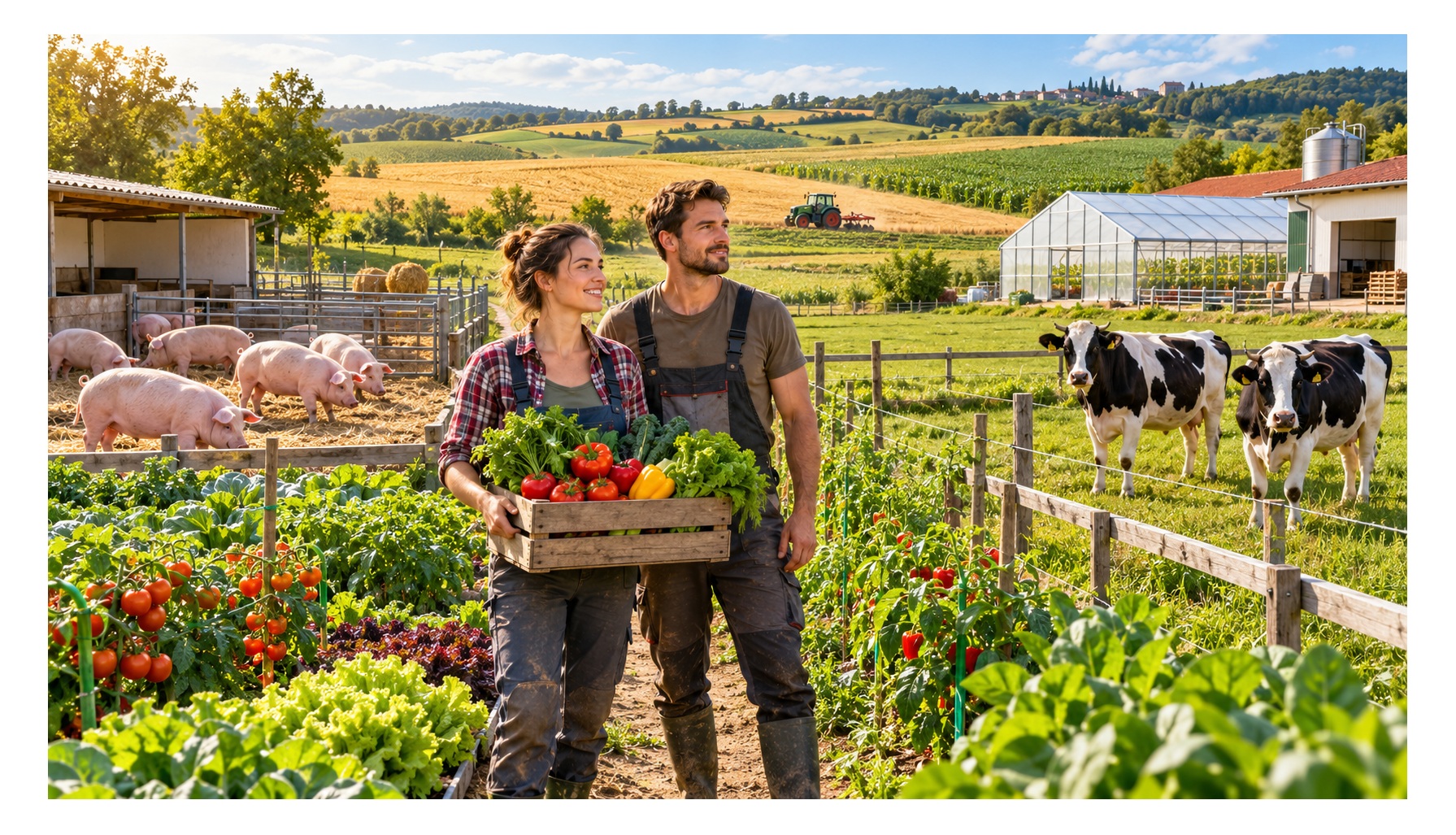
(Photo: Freepik)
aflat
read