828

autor
infoFerma
distribuie


publicat
2025 December 18
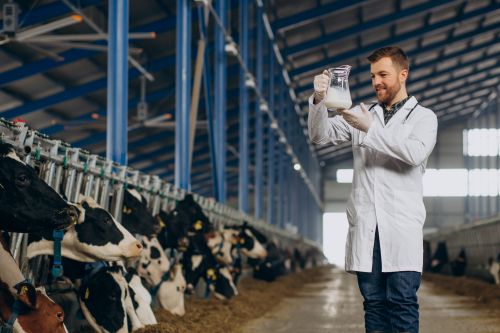
The transition period, spanning the last three weeks before calving and the first three weeks after, is one of the most sensitive stages in the productive cycle of dairy cows. European technical analyses show that over 60% of metabolic disorders occur during this period, with direct effects on production and animal longevity. Energy and mineral imbalances can reduce milk yield in the first 100 days of lactation by 5–12%, depending on severity.
Dry matter intake frequently decreases before calving, making ration adaptation essential to limit excessive mobilization of body reserves. Cows that lose more than 0.5–0.7 points in body condition score during the transition period face an increased risk of ketosis and reproductive disorders. At the same time, colostrum quality and the onset of lactation are influenced by the nutritional balance achieved during this stage.
High-performing farms closely monitor intake, behavior, and body condition, using differentiated rations for cows in the prepartum and postpartum phases. In Romania, the differences between farms that prioritize transition management and those applying uniform rations are reflected in production levels and culling rates. For 2025, optimizing transition management remains one of the most effective ways to improve performance without major investments in infrastructure.
(Photo: Freepik)
aflat
read