691

autor
infoFerma
distribuie


publicat
2026 January 12

In 2026, the economic performance of agricultural holdings is defined by margins, not by gross output. According to Eurostat data, average agricultural product prices increased by approximately 3% in 2025 compared to 2024, while input costs rose by less than 1%. This aggregated picture can be misleading at farm level.
Risk emerges when technology is applied at maximum levels without adaptation to the soil’s real productive potential and without clearly defined economic thresholds. A modest increase in cost per hectare can quickly outweigh the benefit of a better selling price. The key indicators for margin control are variable cost per hectare, mechanization costs, and unit production costs.
From a technical perspective, decisions regarding fertilization rates, seeding density, and the timing of field operations have a direct impact on unit costs. These decisions must be aligned with CAP requirements, as the cost of compliance can become equivalent to a significant share of the margin.
For the 2026 agricultural year, economically optimal production becomes the central objective. Farms that treat each crop as a risk portfolio, with clear budgets and continuous monitoring, will be able to maintain competitiveness in a volatile environment.
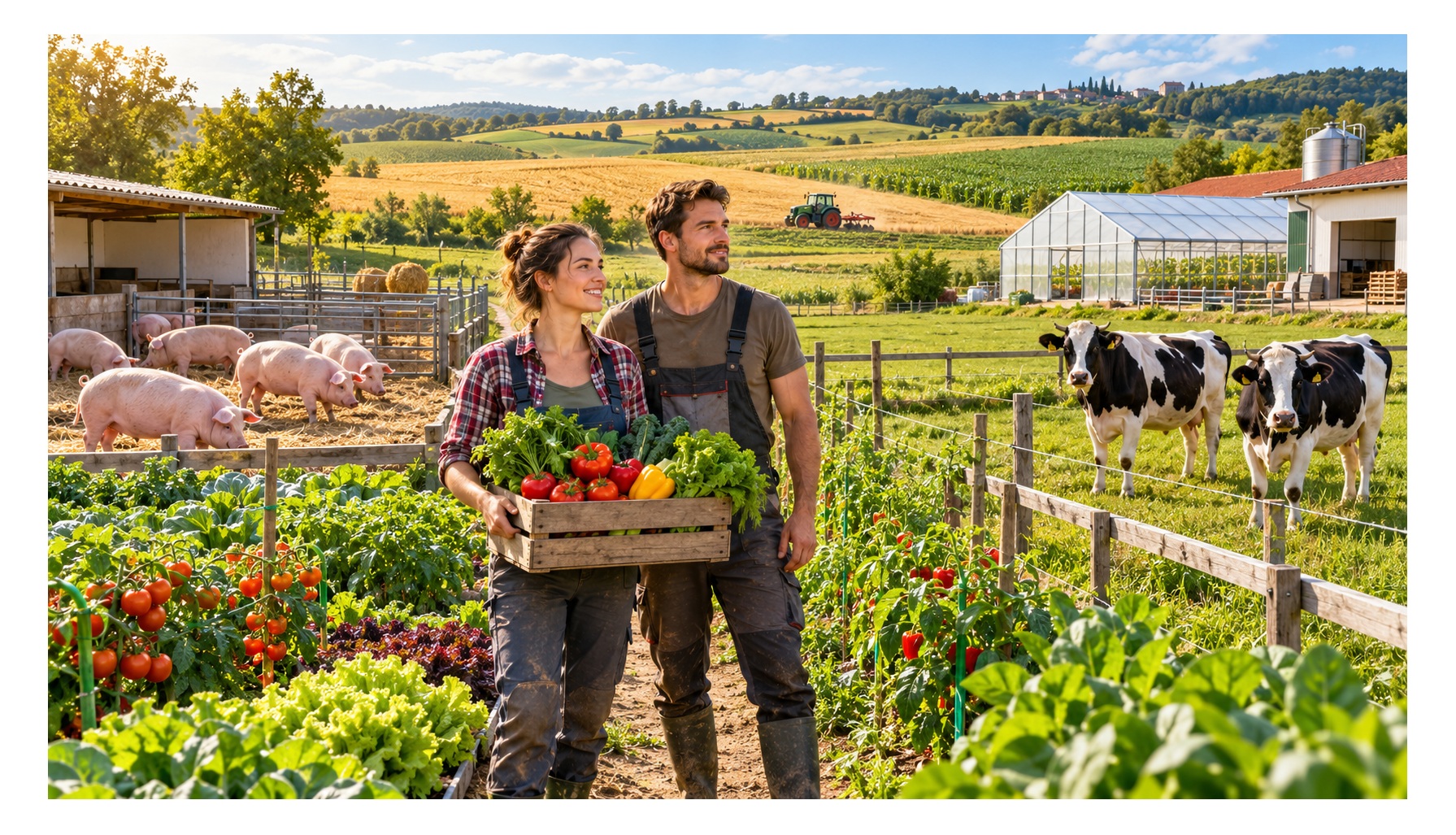
(Photo: Freepik)
aflat
read