471

autor
infoFerma
distribuie


publicat
2026 April 06

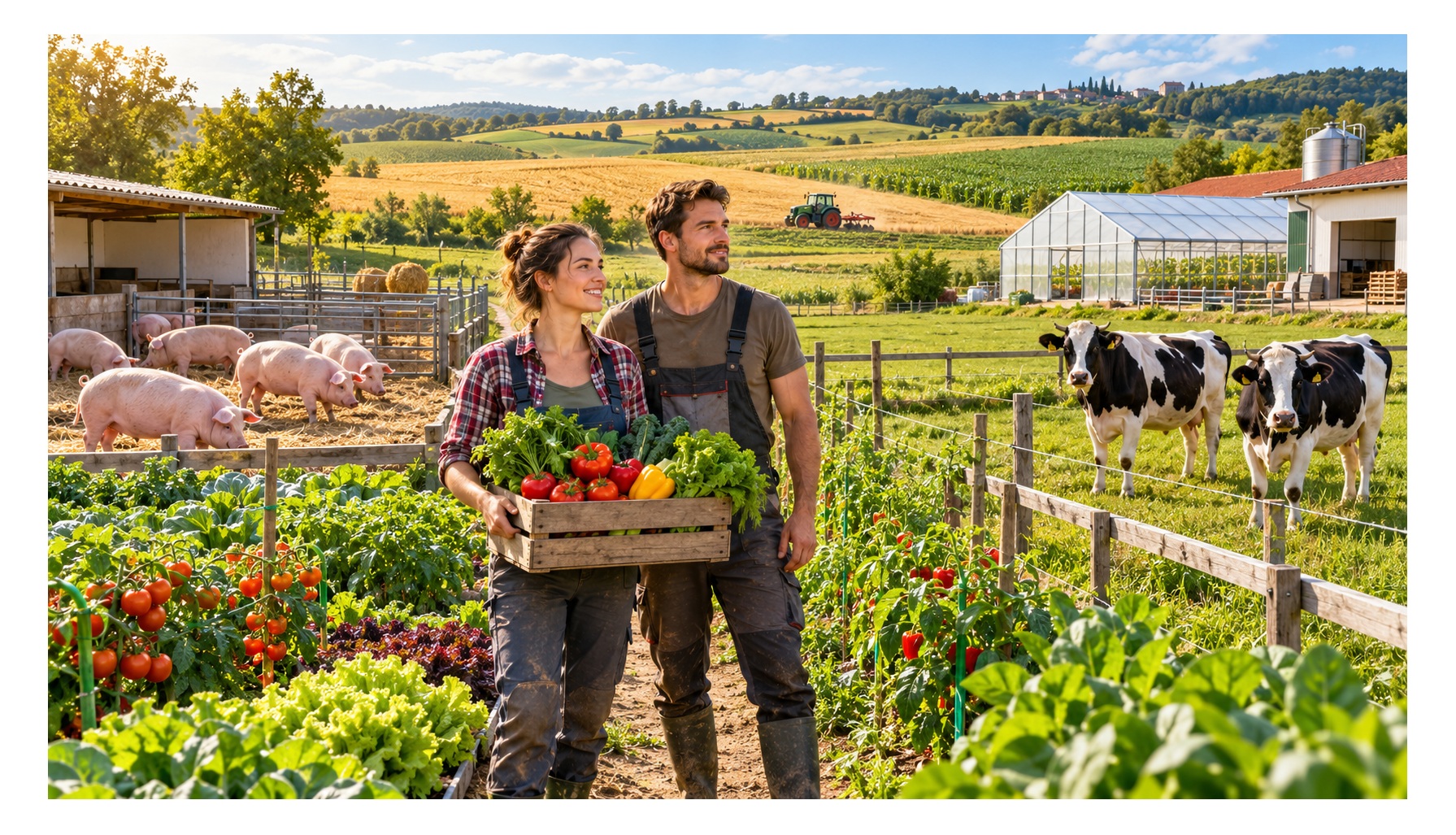
In livestock farms, it is not only what is done that matters, but also the order in which tasks are carried out. Changing the daily sequence of activities can affect animal behavior and technical results, even if all operations are completed.
In dairy farms, reversing the order between feeding and milking, or frequent variations in the schedule, can lead to production decreases of 3–6%. Animals develop a rhythm, and changes create imbalances.
In the swine sector, handling animals before feeding or modifying the flow of activities generates stress and uneven intake. In poultry farms, unplanned interventions during the lighting program influence behavior and growth.
The problem arises when each day is different. Not through major decisions, but through small changes: an activity moved, a delay, or an intervention carried out at a different time than usual.
Stable farms operate on clear sequences, repeated daily. Order is not a formality, but a component of the production system.
(Photo: Freepik)
aflat
read