684

autor
infoFerma
distribuie


publicat
2025 December 11
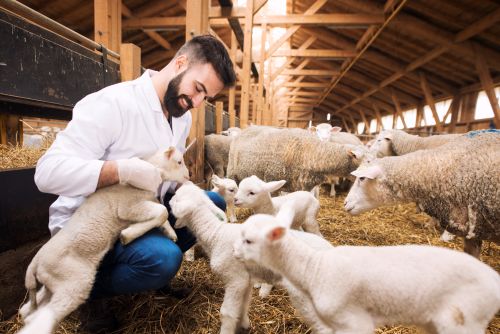
Protein feeds represent one of the most important components in the cost structure of livestock farms. The year 2024 was marked by fluctuations driven by developments on the European oilseed meal market and by climatic pressure on soybean and rapeseed crops. In Europe, soybean meal prices fluctuated within moderate ranges, with upward trends during periods of high volatility on international markets. In Romania, variations followed the European pattern, while regional differences were influenced by logistics costs and the availability of domestic stocks.
For cattle, sheep, and pig farms, the level of crude protein in rations remains a key determinant of performance. Seasonal adjustments of feed formulations are essential for stabilizing feed conversion, and European analyses indicate that insufficient protein levels can reduce average daily gain by 5–8%. Farms that intelligently manage the balance between cereals and protein supplements are better able to control cost variations, especially during periods of economic pressure.
In the short term, market forecasts indicate a relatively stable price level, but with persistent sensitivity to global climatic conditions and export dynamics. For Romanian farms, priorities remain the optimization of feed formulations and close monitoring of raw material quality, in the context of an agricultural year in which variability can directly influence profit margins.
(Photo: Freepik)
aflat
read