726

autor
infoFerma
distribuie


publicat
2025 December 08

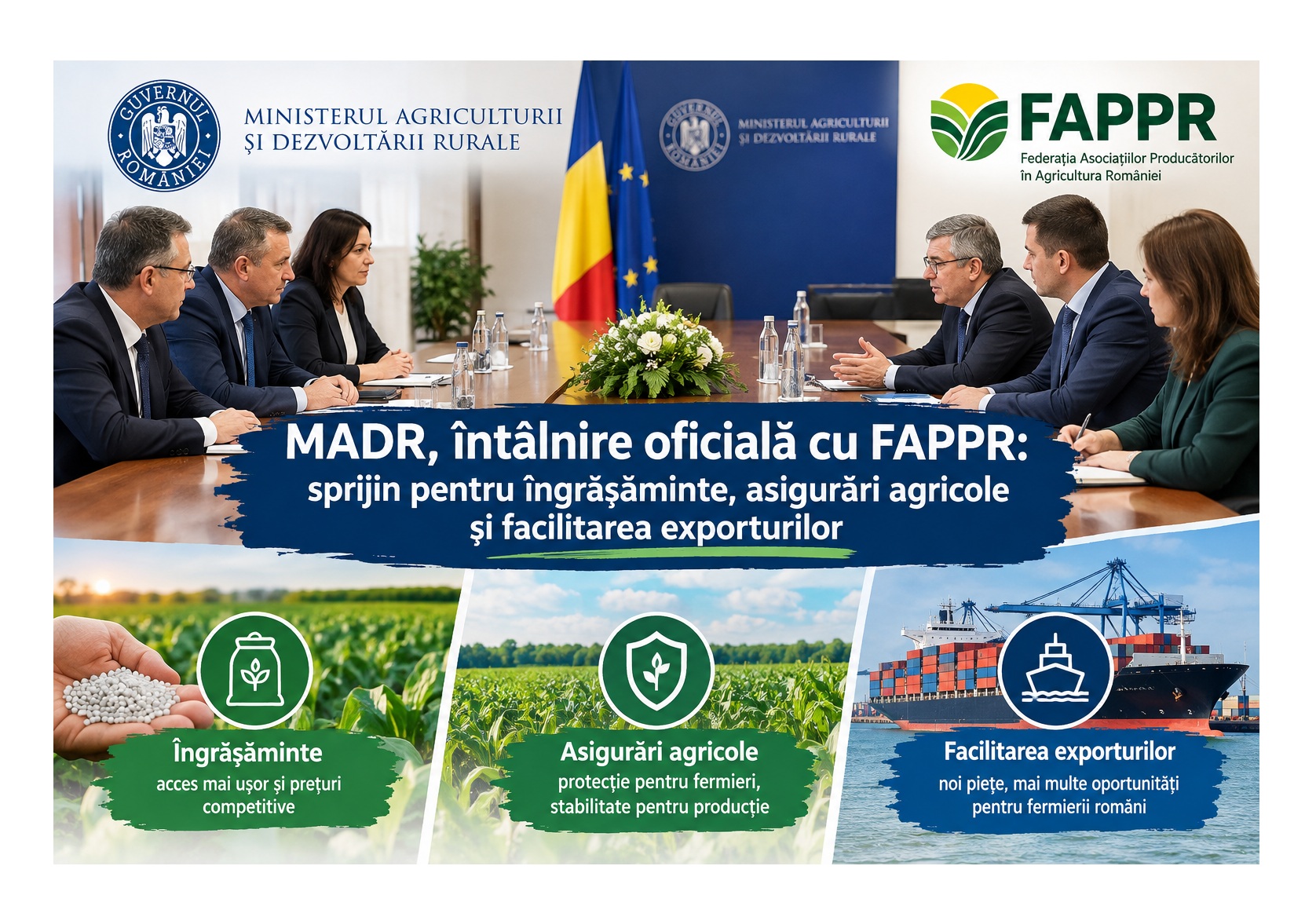
Fertilizer price dynamics remain a major risk factor for farmers. According to the World Bank Fertilizer Index 2024, prices for nitrogen-based fertilizers decreased by 22% compared with 2023, yet remain roughly 45% above the 2017–2020 average. Phosphate prices fell by 9%, while potash has stabilised following the sharp decline recorded in 2023.
Eurostat 2024 data show that agricultural input prices in the EU fell by an average of 5.3%, though real costs remain high for small farms. In Romania, INS (2024) reports significant regional fluctuations: urea ranged between 2,450 and 2,900 lei/tonne, while ammonium nitrate (nitrocalcar) varied between 1,500 and 1,750 lei/tonne depending on the period.
DG AGRI – Sustainable Farming Practices 2024 highlights that farms applying soil-based fertilisation plans reduce total fertilizer use by 10–18%, while precision-application technologies cut nitrogen losses by 15–25%. These practices improve economic efficiency and support EU objectives on emissions reduction.
The CAP Strategic Plan (PNS) 2023–2027 supports the purchase of precision equipment and digital monitoring systems, with funding intensities ranging from 40% to 65% for small and medium-sized farms. In 2025, fertilizer market volatility is expected to remain high due to global dependency on major producers. Long-term planning and the rational use of fertilisers are becoming essential for the stability of Romanian farms.
(Photo: Freepik)
aflat
read