745

autor
infoFerma
distribuie


publicat
2025 November 07
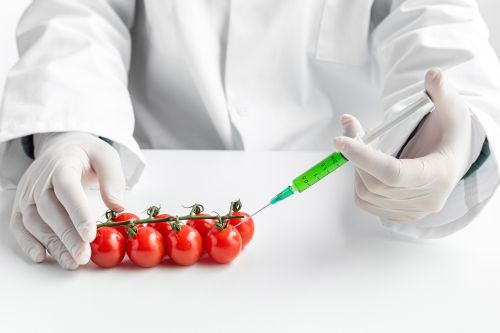
Food safety is becoming the main pillar of competitiveness on the European market. In 2025, the European Commission will implement the new package of regulations on digital traceability and extended labeling, as part of the Farm to Fork 2.0 strategy. The goal is to ensure complete transparency throughout the food chain — from farm to shelf.
For Romania, these changes bring both challenges and opportunities. According to the Ministry of Agriculture and Rural Development (MADR, 2024), over 65% of local processors still lack digital monitoring systems, while investments in traceability may range between €50,000 and €200,000 per unit. At the same time, the National Sanitary Veterinary and Food Safety Authority (ANSVSA) has confirmed that the new rules will reduce bureaucracy, enabling the automatic validation of production flows through integrated databases.
The European regulation will introduce a mandatory QR code on all processed products, allowing consumers to access information about origin, quality, and carbon footprint. Romania must therefore strengthen its IT infrastructure and accelerate the digitalization of food control systems.
In the medium term, the advantage is clear: producers who quickly align with the new requirements will gain preferential access to external markets. Food safety is no longer just a legal obligation, but an economic strategy — the difference between survival and performance.
(Photo: Freepik)
aflat
read