638

autor
infoFerma
distribuie


publicat
2026 March 27
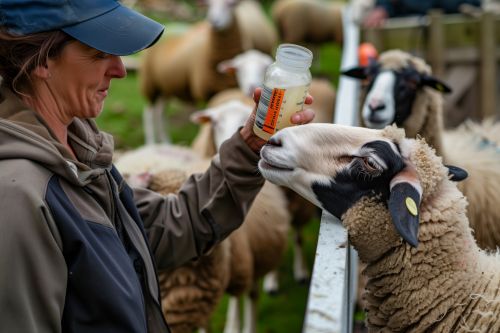
In animal husbandry, economic performance is directly determined by reproductive efficiency, yet this indicator is often underestimated in day-to-day farm decisions. Whether in dairy cattle, swine, or poultry operations, replacement rate and the ability to generate consistent output are structural elements of performance.
In dairy farms, the calving interval is a critical benchmark. An optimal interval is around 12–13 months, yet in many operations it exceeds 14–15 months. This difference of 60–90 days translates into production losses of up to 10–15% annually, due to a reduced number of lactation cycles and increased maintenance costs for temporarily non-productive animals.
In the swine sector, farrowing rate and the number of piglets weaned per sow per year are the key indicators. A decrease of just 1–2 piglets per cycle can reduce annual output by 8–10%, directly affecting the volume delivered to the market. At the same time, non-productive days of sows become a significant operational cost.
Reproductive management is not only about genetics, but also about operational discipline: cycle monitoring, rapid intervention, and alignment between nutrition and animal health. High-performing farms treat reproduction as a process managed on a daily basis, not as an unpredictable biological outcome.
(Photo: Freepik)
aflat
read