603

autor
infoFerma
distribuie


publicat
2026 January 19
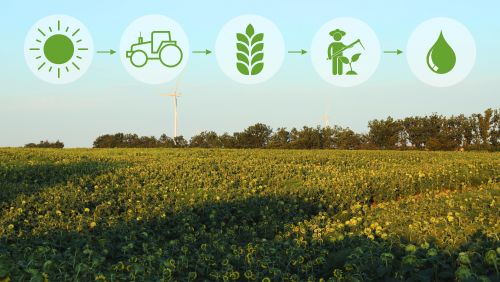
The application of GAEC standards, particularly those related to crop rotation, becomes a direct economic factor in 2026. From a legislative standpoint, these requirements are part of the basic conditionality of the Common Agricultural Policy, and failure to comply results in reductions in direct payments.
Data from the European Commission show that, at EU level, more than 70% of arable land is already included in compliant crop rotation systems. However, adaptation is not uniform, and specialized farms face opportunity costs when introducing lower-profit crops or reorganizing their production calendars.
From an economic perspective, crop rotation is not a cost in itself, but a redistribution of risk. Farms that have integrated rotation into their agronomic strategy achieve medium-term stability, while holdings that treat it strictly as an administrative obligation lose flexibility and, consequently, margin.
In 2026, GAEC requirements are no longer merely eligibility criteria, but economic parameters that directly influence farm income structures and production decisions.
(Photo: Freepik)
aflat
read