580

autor
infoFerma
distribuie


publicat
2026 March 30
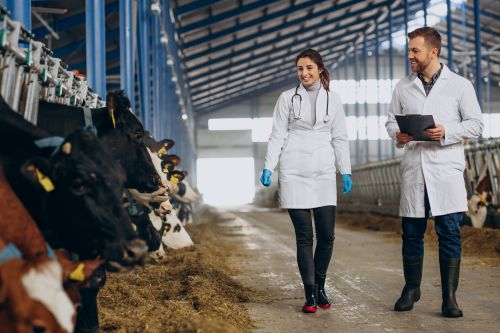
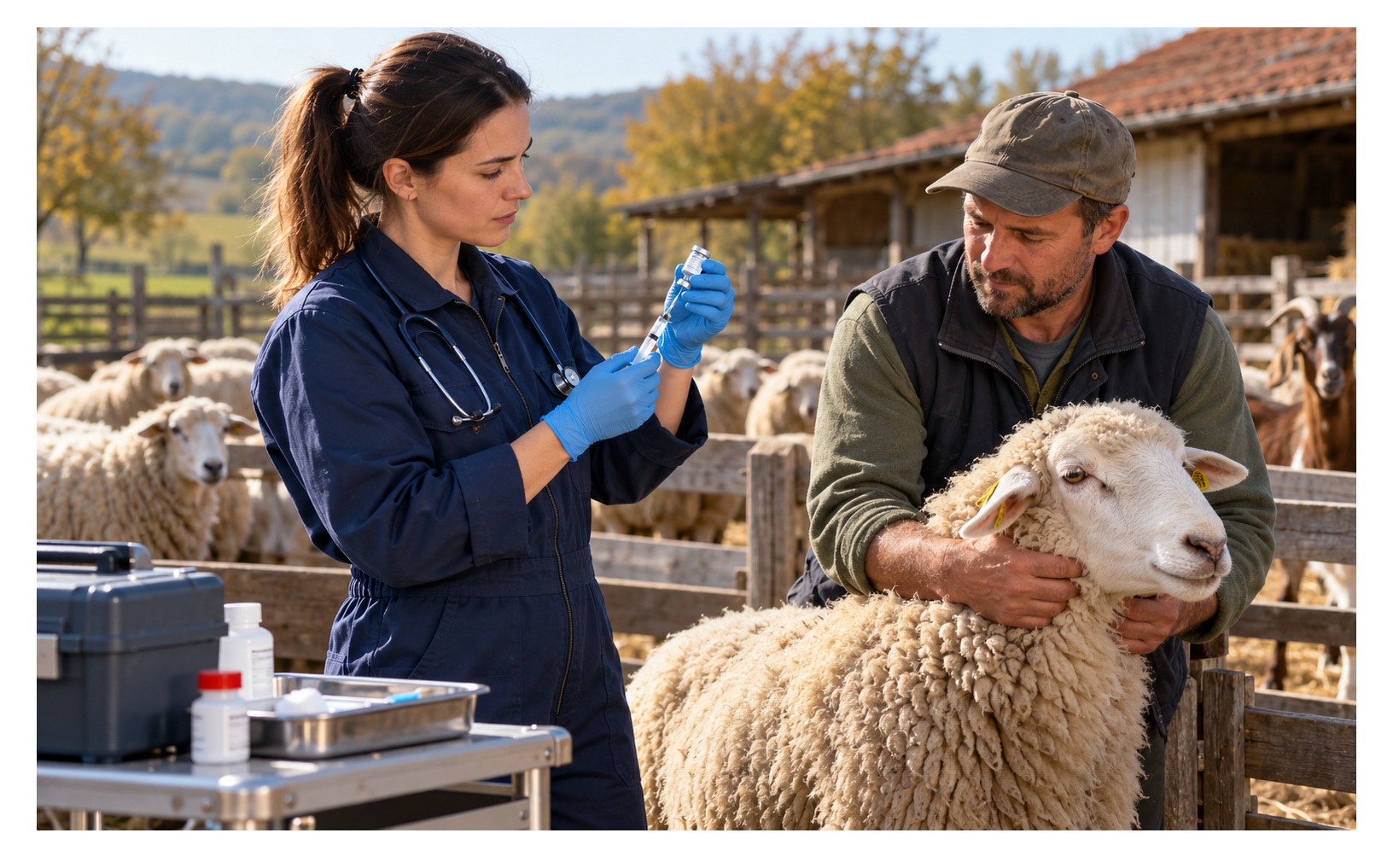
In livestock operations, herd health is often approached reactively, through treatments applied after problems arise. This approach maintains farm functionality but does not optimize performance. The real difference is seen in farms that treat health as a prevention system rather than a one-time intervention.
In dairy farms, conditions such as mastitis or reproductive issues reduce production and extend production cycles. Even moderate incidence rates can lower annual performance by 5–10%, due to decreased individual output and increased non-productive periods. In the swine sector, respiratory or digestive diseases affect batch uniformity and extend fattening periods, reducing delivery predictability.
Prevention involves continuous monitoring, clear protocols, and early intervention. Parameters such as feed intake, animal behavior, or temperature variations are operational indicators that can signal emerging health issues in advance.
High-performing farms do not eliminate risks, but they reduce their variability. Health is not treated as an unavoidable cost, but as a factor of operational stability that supports consistent production.
(Photo: Freepik)
aflat
read