617

autor
infoFerma
distribuie


publicat
2026 April 30
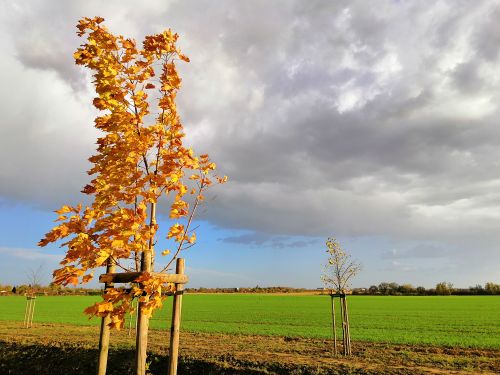
2025 was among the driest years of the past decade. According to data published by Revista Ferma, soil water deficit affected approximately 60% of the agricultural land during critical vegetation periods. In the absence of functional irrigation systems, only 350,000 hectares were effectively irrigated—a modest share compared to the national technical potential of over 3 million hectares. The direct consequence: for more than 40% of small farms, 2025 ended with losses or minimal profit.
Field data confirms a worrying structural trend. According to the Farmer in 2026 study conducted by MKOR on a sample of 250 farmers managing at least 100 hectares, extreme weather events are perceived as 30% more critical than traditional financial challenges such as input costs or price pressure. Only 23% of the analyzed farms have automated irrigation systems, and 21% use digital monitoring tools. In contrast, 73% have diversified crops to reduce risk, 71% have introduced drought-resistant varieties, and 63% have reduced cultivated areas, opting for lower but more secure production.
Scientific projections further deepen the concern. According to climate modeling in the report State of the Climate – Romania 2025, maize production is expected to decline by 10–13% by 2050 and by over 15% by 2070 under a high-emissions scenario. Production of wheat, fruits, and vegetables could drop by up to 25–30% in years of extreme drought. The average annual temperature in Romania has already increased by 0.5–1°C compared to the 1980s, with projections indicating a rise of up to 4.5°C by 2070.
The sector’s response is beginning to take shape. For the 2026–2028 period, investments in irrigation systems and water conservation are a priority for 48% of farmers, according to the same MKOR study. However, input costs remain a parallel pressure: fertilizers in 2025 remained 25–30% above the multi-year average, while interest rates on agricultural loans frequently exceeded 9–10% annually.
Romanian farmers can no longer treat climate as a variable to negotiate with—it has become a constant around which the entire business model must be built.
(Photo: Magnific)
aflat
read