650

autor
infoFerma
distribuie


publicat
2025 December 19
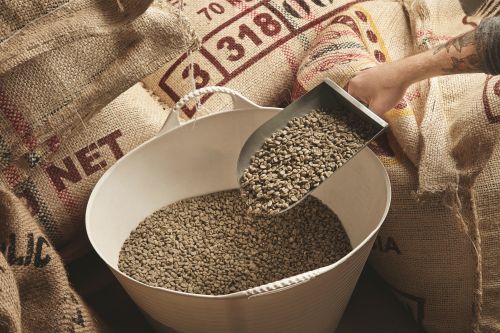
The stability of feed rations is an essential factor for livestock performance, particularly in pig and cattle farms. Frequent changes in ration composition, even when recommended nutritional levels are respected, can lead to variations in intake and feed conversion. Technical assessments indicate that abrupt ration changes can reduce average daily gain by 4–7% during the first two weeks of adaptation.
In pig farms, stability in particle size distribution and energy profile contributes to more efficient feed conversion and improved batch uniformity. In fattening systems, fluctuations in feed conversion are directly correlated with changes in formulation and with variations in raw material quality. In cattle, the gradual adaptation of rations is essential for preventing digestive disorders and maintaining a constant dry matter intake.
High-performing farms implement clear transition protocols between rations, with adaptation periods of 7–14 days, depending on species and production stage. In Romania, the differences between farms that rigorously plan these transitions and those that adjust recipes on an ad-hoc basis are directly reflected in production costs. In 2025, ration stability will remain a key criterion for controlling performance without increasing total feed consumption.
(Photo: Freepik)
aflat
read