604

autor
infoFerma
distribuie


publicat
2026 March 27

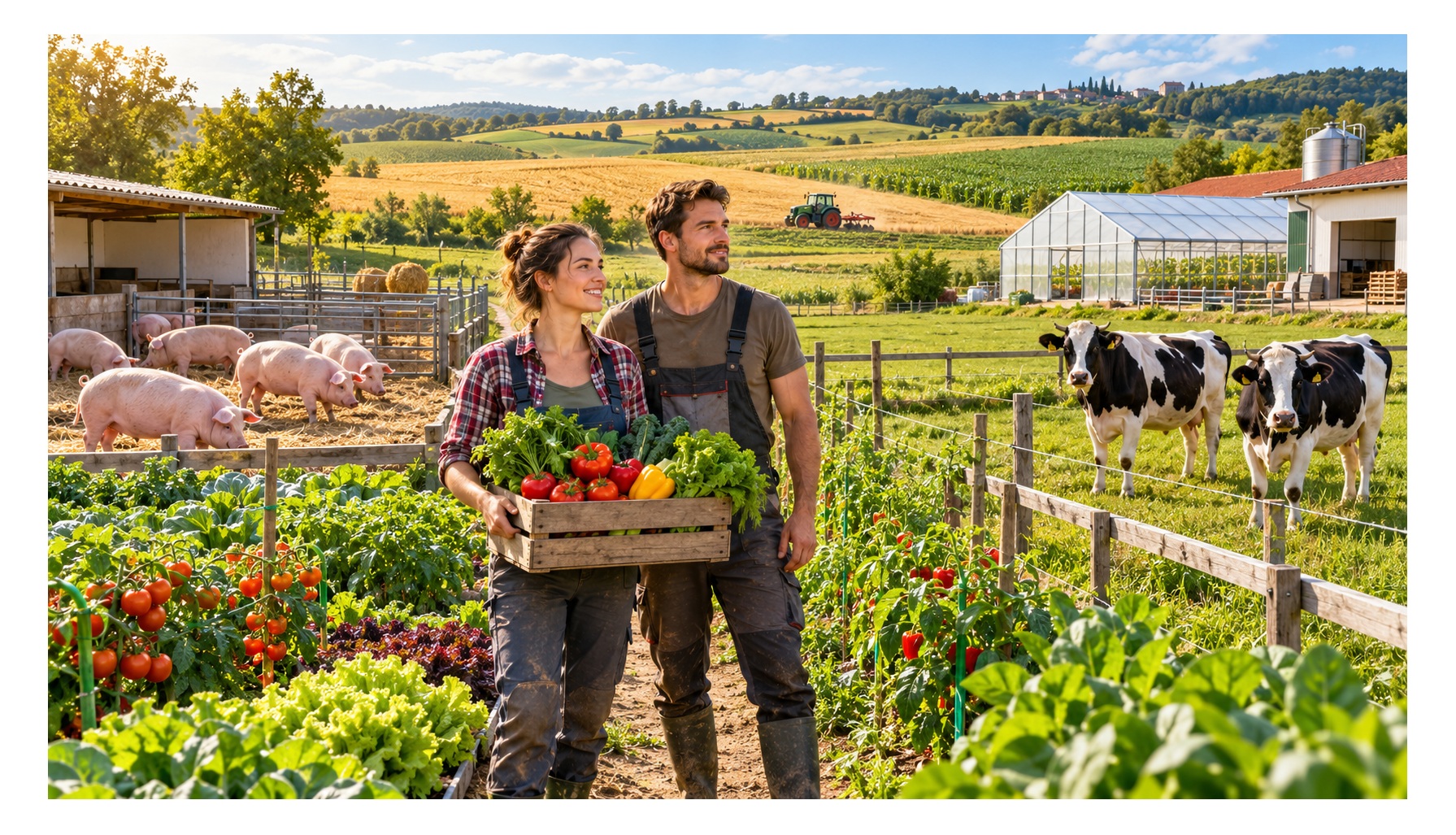
Animal stress is one of the least quantified factors in livestock farming, although its impact on production is significant. Unlike feed or genetics, stress does not appear directly in cost structures, yet it influences all technical outcomes of the farm.
In dairy farms, thermal or handling stress can reduce daily production by 5–15%, depending on intensity and duration. During periods of high temperatures, reduced feed intake and metabolic changes directly affect lactation performance.
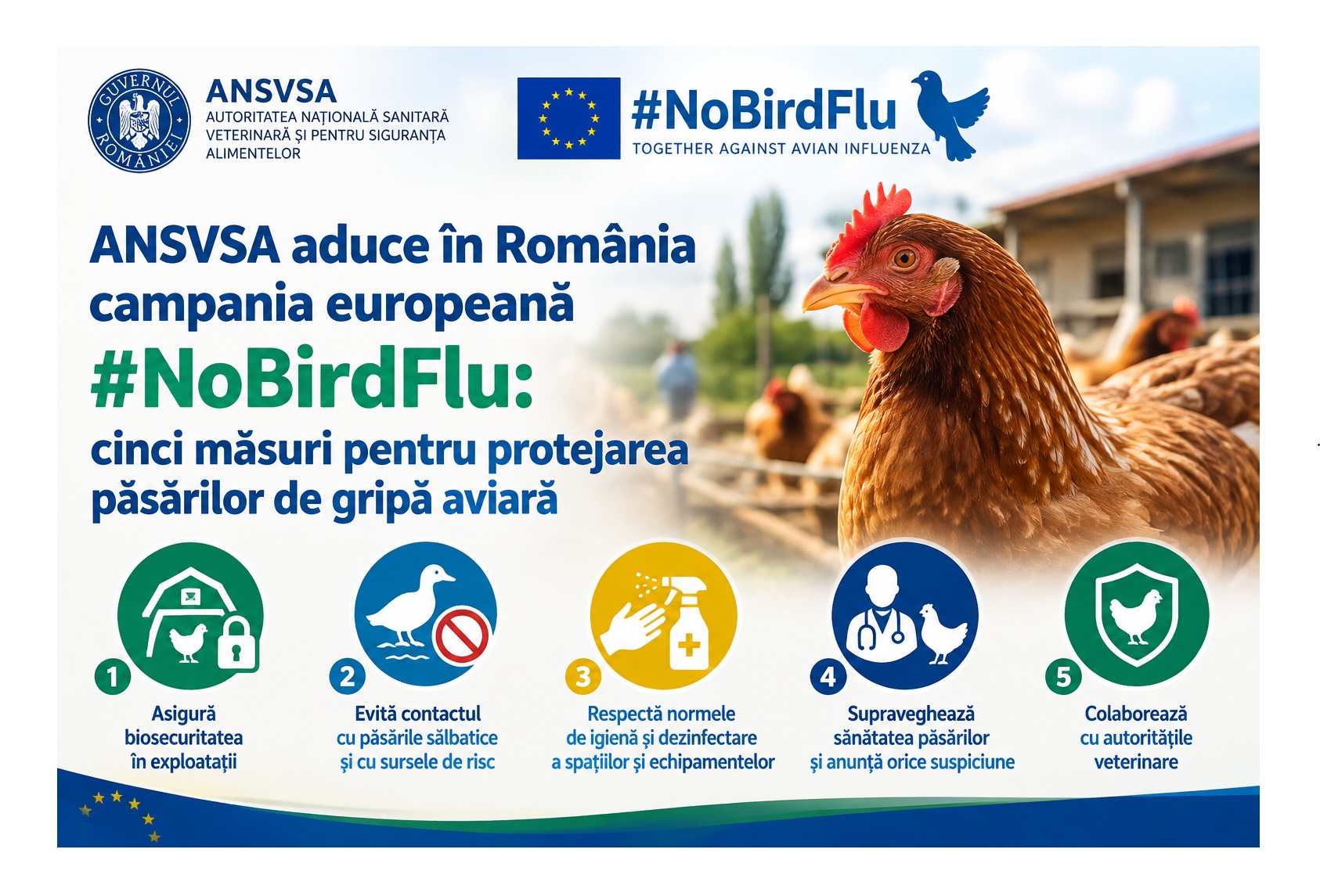
In the poultry sector, excessive stocking density, temperature fluctuations, or frequent handling lead to reduced growth rates and poorer feed conversion. Even small deviations from optimal parameters can generate losses of several percentage points per cycle, with a significant cumulative impact.
In swine farms, stress affects both growth and reproduction. Animals exposed to stress factors show variations in feed intake, increased aggressiveness, and weaker reproductive performance, all of which impact production stability.
Managing stress does not necessarily require major investments, but consistency: environmental stability, clear routines, proper handling, and constant monitoring. Farms that reduce internal variability achieve more predictable and stable results.
(Photo: Freepik)
aflat
read