684

autor
infoFerma
distribuie


publicat
2026 April 03
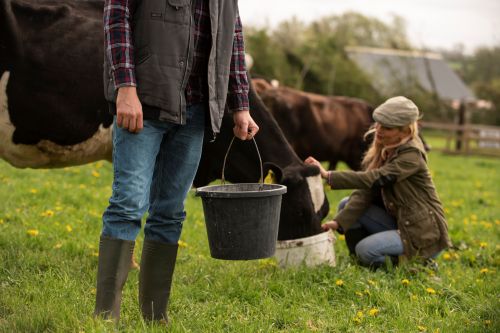
In the daily activity of a farm, there are time losses that are neither planned nor measured. They do not appear as a problem, yet they affect organization and, indirectly, performance.
Delays in feeding, schedule variations, or lack of synchronization between activities create a cumulative effect. In dairy farms, a consistent delay in milking or feeding can lead to production drops of 3–5% within a few days. Animals respond to rhythm, not just quantity.
In the swine and poultry sectors, the absence of a fixed schedule leads to uneven consumption and stress. Even differences of 30–60 minutes in the daily routine can alter animal behavior and growth rates.
The issue is not a major error, but the repetition of small deviations: a few minutes of delay, an activity performed in a different order, one day differing from another. These are not immediately visible, but they accumulate over time.
Well-organized farms share a common element: a stable and consistently followed schedule. Not for theoretical efficiency, but because animals function predictably only within a predictable system.
(Photo: Freepik)
aflat
read