615

autor
infoFerma
distribuie


publicat
2026 May 04

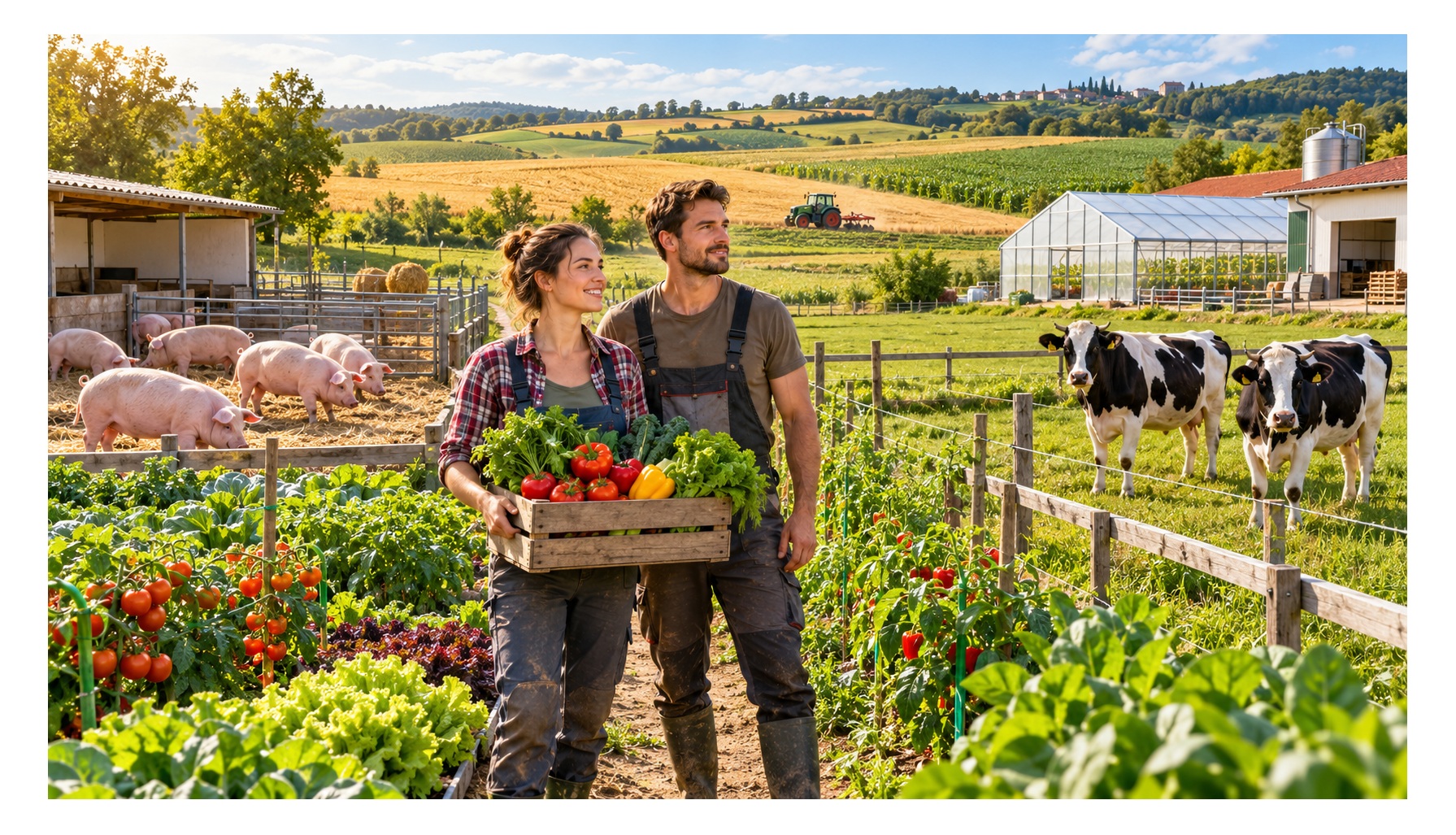
Romania is facing one of the most acute generational renewal crises in European agriculture. According to the SWOT analysis underpinning the National Strategic Plan for CAP 2023–2027, young farmers represent only 7.45% of all farm managers, and only 2.8% of them have completed higher education in the agricultural field. At the same time, the average age of Romanian farmers continues to rise, while the migration of young people from rural areas to cities or abroad deepens a structural deficit that cannot be resolved through subsidies alone.
The institutional response is concrete, although insufficient in relation to the scale of the problem. Through intervention DR-30 under the CAP Strategic Plan 2023–2027, AFIR provides non-repayable support of €70,000 for the installation of young farmers up to the age of 40, paid in two tranches: 75% upon contract signing and 25% after the implementation of the business plan. The total allocated budget exceeds €250 million for the entire programming period, with a first tranche of €131.5 million available as early as 2024. In addition, newly established farmers can access up to €200,000 through intervention DR-12 for farm consolidation, with a support intensity of 80% of eligible costs.
At European level, the European Commission presented in October 2025 a Strategy on generational renewal in agriculture, aiming to double the share of young farmers by 2040, from around 11% currently to approximately 24% of all European farmers. Member States are recommended to allocate at least 6% of national agricultural expenditure to measures promoting generational renewal. Moreover, the strategy proposes integration into Erasmus programmes for young entrepreneurs, facilitation of farm succession, and simplification of access to land and financing.
However, the challenges remain structural. Access to land is the main barrier — the price of agricultural land has increased significantly in recent years, while excessive fragmentation of holdings complicates any viable business plan. The lack of mentorship, the bureaucracy of the funding process, and the absence of a culture of agricultural entrepreneurship among young people are obstacles just as real as the lack of financial resources. Without a coherent farm succession policy and without a functional network of agricultural schools, subsidies alone cannot reverse a deeply rooted demographic trend.
(Photo: Magnific)
aflat
read