834

autor
infoFerma
distribuie


publicat
2025 December 17
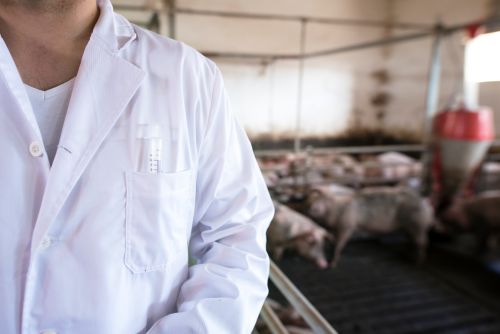
Batch uniformity is one of the technical indicators that directly influences the economic performance of livestock farms. Large weight differences between animals increase feeding costs, extend production cycles, and negatively affect commercial valorization. European analyses show that batches with good uniformity—defined by deviations below 5–6%—achieve better prices and lower technological losses compared to batches where variations exceed 10–12%.
In pig farms, lack of uniformity leads to repeated sorting and the separation of underdeveloped animals, which increases specific feed consumption and lengthens the fattening cycle. Differences of only 1–1.5 kg at weaning can result, by the end of the cycle, in weight gaps of over 10 kg at delivery. In the poultry sector, weight variations translate directly into commercial penalties and poorer feed conversion.
The causes of non-uniformity are multiple: unequal access to feed and water, excessive stocking density, unstable microclimate, and insufficient early monitoring. High-performing farms address these issues from the earliest growth stages by adjusting feed distribution and adapting stocking density. In 2025, uniformity will become an increasingly important criterion for farms focused on efficiency and financial stability.
(Photo: Freepik)
aflat
read