535

autor
infoFerma
distribuie


publicat
2026 April 01
Air quality on farms directly influences animal health and performance, yet it is often underestimated in livestock operations. Ventilation is not merely a comfort condition, but a technical parameter that determines feed intake, growth, and disease incidence.
In pig farms, high ammonia concentrations, exceeding 20–25 ppm, are associated with a 5–10% decrease in daily weight gain and an increase in respiratory issues. At the same time, excessive humidity promotes the development of pathogens and affects batch uniformity.
In the poultry sector, insufficient ventilation leads to the accumulation of carbon dioxide and ammonia, reducing feed intake and growth rate. Performance differences can reach 8–12% between well-ventilated houses and those with inadequate airflow.
In dairy farms, stagnant air and high temperatures cause heat stress, with a direct impact on production. During summer periods, losses can reach 2–3 liters of milk per head per day if ventilation is not properly managed.
Effective ventilation is not only about equipment, but also about constant adjustment according to temperature, humidity, and stocking density. High-performing farms treat air as a technological input, not as an implicit condition.
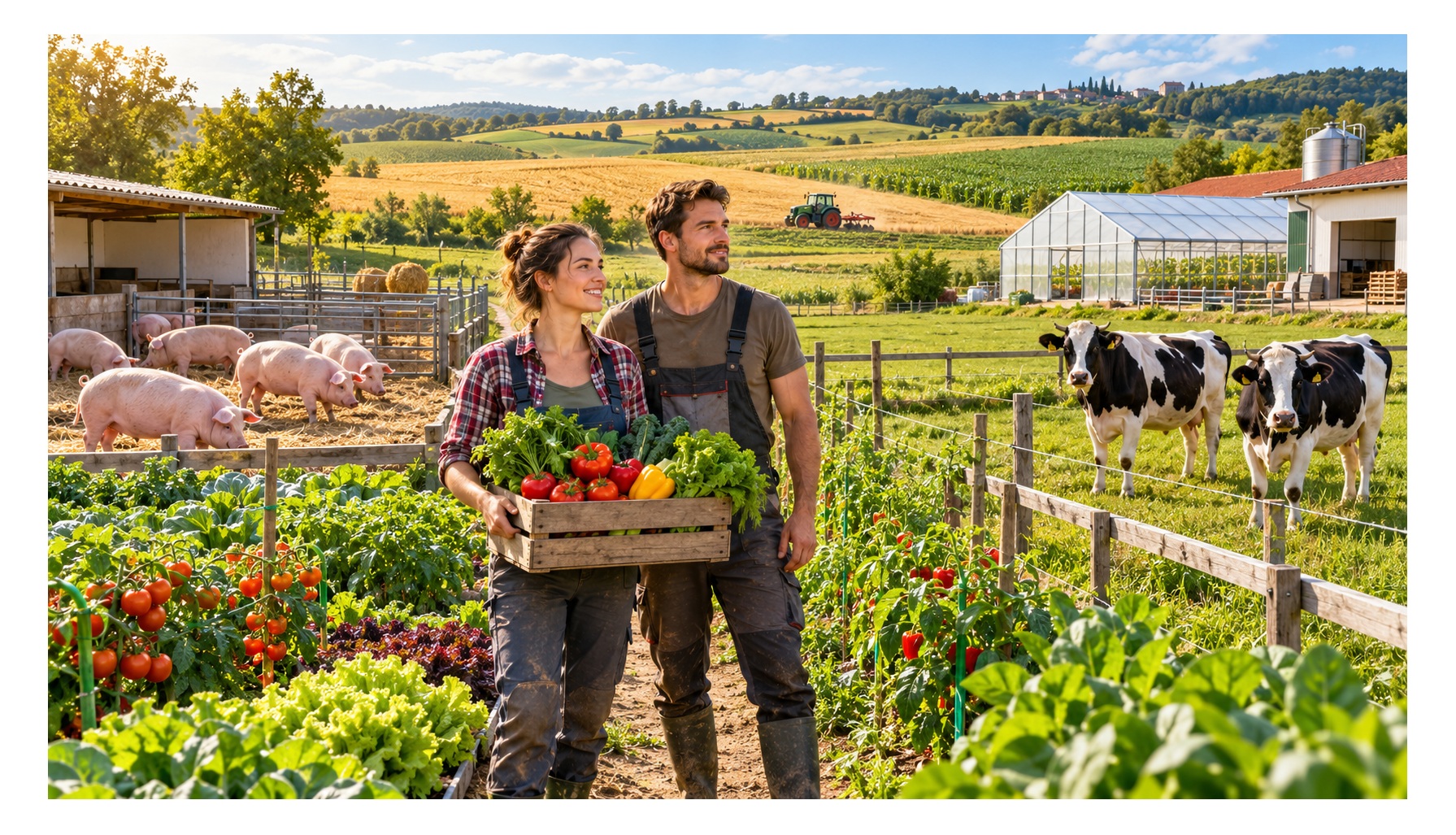
(Photo: Freepik)
aflat
read