650

autor
infoFerma
distribuie


publicat
2026 January 18

In 2025, the total value of agricultural production in the European Union evolved against a backdrop of high input costs and market volatility. In this context, direct payments under the Common Agricultural Policy continue to represent an essential component of farm incomes, yet their real weight in covering costs is coming under increasing scrutiny.
Eurostat data indicate that, at EU level, direct payments account on average for between 20% and 30% of agricultural income, with significant differences between Member States and types of holdings. For medium-sized crop farms, this share may increase in years with low output prices, but it declines when production costs rise faster than public support.
From a legislative perspective, the CAP framework for the 2023–2027 period maintains direct payments as a basic support instrument, but introduces conditionalities and eco-schemes that reduce the automatic nature of these revenues. Any non-compliance is directly reflected in the loss of part of the support, amplifying financial risk for farms operating with narrow margins.
For 2026, subsidies can no longer be regarded as a substitute for profitability. They function as a risk buffer, not as the foundation of the farm’s economic model.
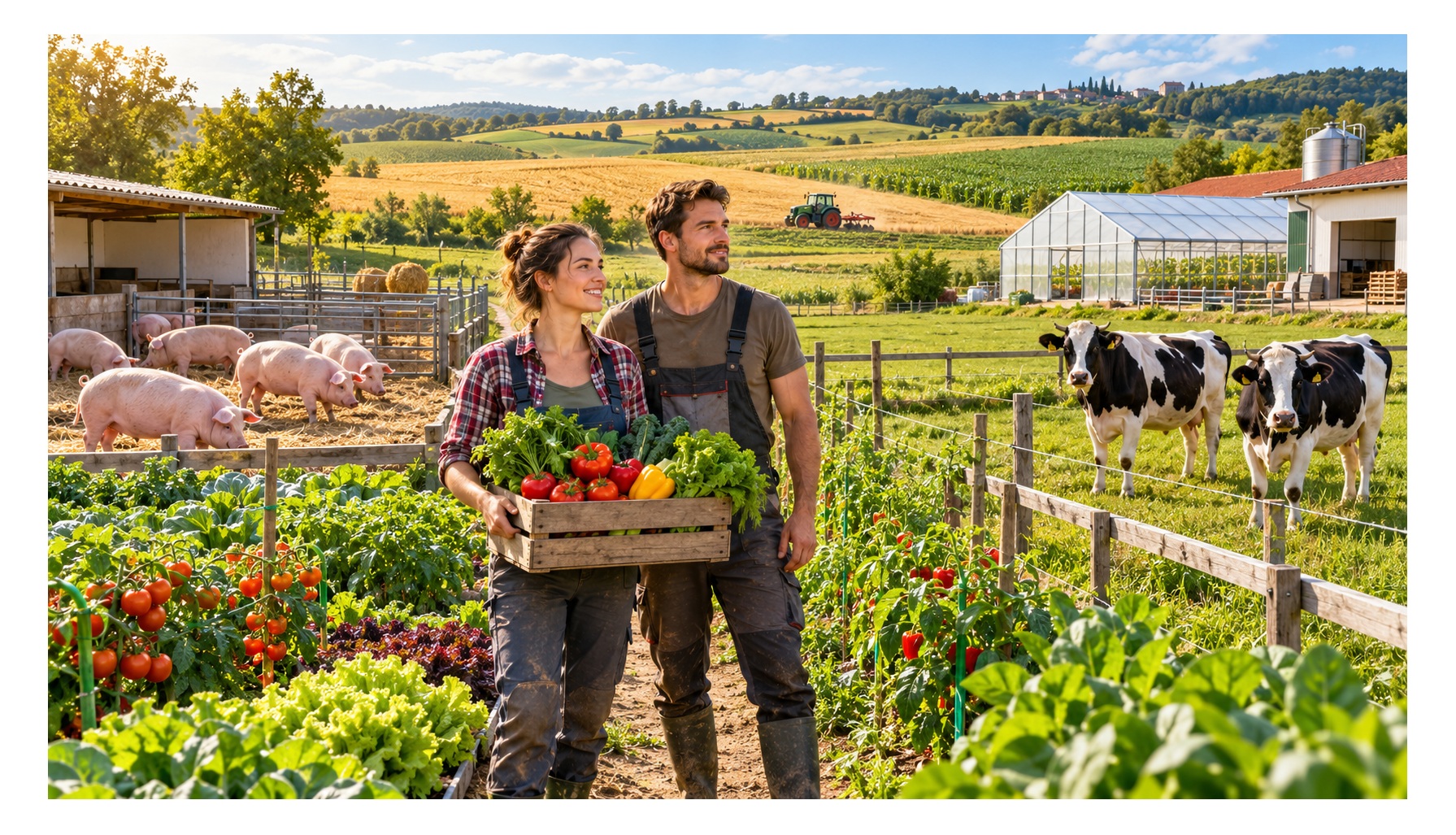
(Photo: Freepik)
aflat
read