705

autor
infoFerma
distribuie


publicat
2025 December 16
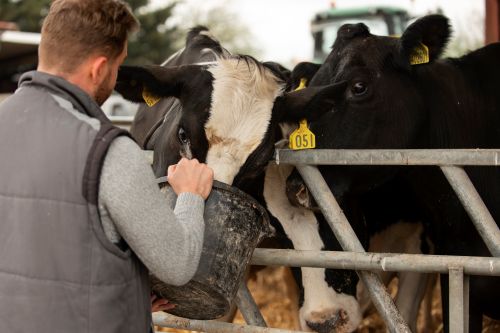
European farmers are increasingly evaluating the performance of fattening systems using comparative indicators. Intensive models, based on high-energy-density rations, can achieve average daily gains of 1,200–1,400 g, while semi-intensive systems typically range between 900 and 1,150 g, depending on feed quality and genetics.
Feed conversion is a central parameter: in intensive systems, values can drop to around 5.5–6.0 kg of feed per kg of weight gain, whereas in semi-intensive systems they frequently range between 6.5 and 7.5 kg. Batch uniformity also differs: intensive systems achieve small weight deviations at delivery, around 4–6%, while semi-intensive batches may exceed 10%, which affects the final carcass price.
Housing quality contributes directly to growth performance. Adequate ventilation, correct stocking density, and continuous access to water are factors that stabilize daily weight gain. In Romania, many farms operate under semi-intensive conditions, where the potential for improvement is considerable, particularly through optimization of feed formulations and reduction of technological losses. In 2025, competitive advantage will belong to farms that manage to improve performance consistency, regardless of the system used.
(Photo: Freepik)
aflat
read