443

autor
infoFerma
distribuie


publicat
2023 December 07
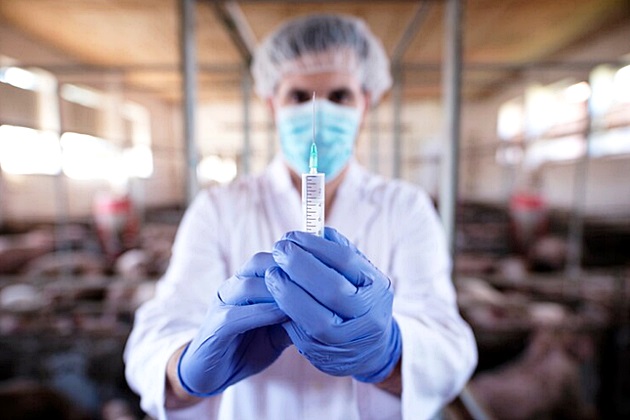
Considering that global chemical production is expected to double by 2030, the increased demand for animal testing to comply with EU regulations has made the shift to non-animal approaches even more urgent, according to stakeholders at the European Partnership for Alternative Approaches to Animal Testing (EPAA) conference in Brussels, as reported by Euractiv.
Following the cosmetic model
Although the testing of cosmetic products on animals in the EU has already been banned, chemical testing has not yet been completely eliminated.
However, the European Commission has promised a new roadmap to further reduce the level of testing, aiming to transition to an animal-free regulatory system in line with chemical substance legislation.
Dr. Julia Baines, Director of Policy at PETA (People for the Ethical Treatment of Animals), spoke with Euractiv on the sidelines of the conference and welcomed the Commission's commitment to a roadmap for chemicals, describing it as a "significant change over the past two years."
However, she urged the EU to move faster as more and more new chemical substances are registered, ultimately leading to more animal testing.
According to various animal rights groups, approximately 8 million animals are used annually in scientific tests in the European Union and Norway.
Baines added that revisions to the testing regulation of the Registration, Evaluation, Authorization, and Restriction of Chemicals (REACH) will impose a higher demand for animal testing, creating an urgency to transition to non-animal approaches.
She also argued that more environmental stakeholders and NGOs should join the discussions to continue building trust in non-animal testing methods.
EPAA Conference
The EPAA's annual conference brought together partners and stakeholders to discuss progress in their efforts to leave their mark on reviews of chemical, environmental, and pharmaceutical legislation to promote non-animal testing.
EPAA Co-Chair Giacomo Mattino of the European Commission assured participants that the EU executive shares their vision of gradually phasing out animal testing, although he acknowledged that "this is a truly challenging and long-term goal" and its approach requires a step-by-step approach.
Dr. Nicolas Dudoignon, Veterinary Director at Sanofi, said that EU citizens want companies to ensure they do not use animals in their tests while expecting new medicines to address medical conditions.
"Our approach as a pharmaceutical company is science-based. When we believe that science still requires the use of animals, we will do so, but at the same time, we are genuinely trying to improve methodologies and work together to shift from animal to non-animal models," he told Euractiv.
But, right now, the complexity of biology and pathology "does not yet allow us to completely eliminate this reliance on animals," he added.
Referring to EPAA's goal of replacing, reducing, and refining animal testing procedures (the "3R" principle), Dudoignon said these "three Rs do not happen overnight but require time."
He said that tracking science provides companies with more opportunities to implement new approaches to achieve these goals.
A safe space for litigious data
Participants also addressed the concept of "safe harbors" for companies to submit data on New Approach Methodologies (NAM).
Professor Vera Rogiers, a member of EPAA's advisory mirror group, said she noticed the industry's hesitation to introduce new results.
"You have to have somewhere a safe harbor where different companies feel comfortable introducing new data, where they won't be penalized for it," Rogiers told the animal testing and innovation panel.
In response, Sylvie Lemoine, panelist and Deputy Director-General at Cefic, agreed but said it is not clear where such a safe space could be created.
For her part, Policy Officer at DG Environment Katrin Schütte said they have not yet explored this approach due to the nature of the REACH regulation, which needs to work for a larger number of chemicals than those covered by cosmetic regulations.
However, Schütte told Euractiv that she cannot immediately think of how the concept of safe harbors could be made practically feasible, but considering the interest in making it work, the subject should be deeply thought through.
Sonja Beken, Chair of the 3Rs Working Group and a member of the non-clinical working group at the European Medicines Agency (EMA), said collaboration is essential for progress.
"Having this type of interface is very important to progress in this field, to understand each other and to try to speak the same language," she said.
aflat
read