801

autor
infoFerma
distribuie


publicat
2025 December 03
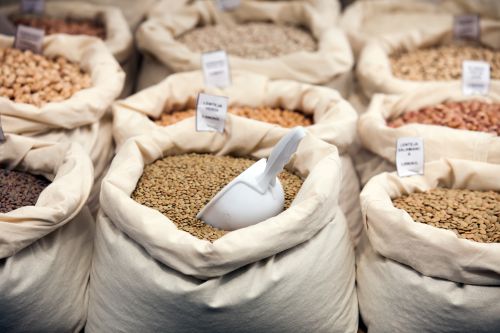
The evolution of cereal prices directly influences the production costs of livestock farms, since maize, wheat, and barley form the basis of compound feed. According to INS (2024) data and Eurostat estimates, Romania’s cereal output has shown strong regional variability, with drought-affected areas in the south and south-east. At the European level, the DG AGRI – Short-Term Outlook 2024 highlights a trend toward price stabilisation, though still at a significantly higher level compared with 2016–2020.
For cattle, sheep, and pig farms, these developments generate pressure on production costs. DG AGRI assessments show that feed accounts for between 55% and 70% of total expenses, and the dependence on cereal prices means that any fluctuation immediately affects farm margins. In Romania, the lack of strategic stocks and the volatility of exports amplify the impact of variable harvests.
In the short term, farms can reduce risk through forward contracts with grain suppliers, diversifying sources, and optimising feed rations. In the long term, the CAP Strategic Plan (PNS) 2023–2027 supports investments in storage capacity, dryers, and feed-quality monitoring systems. Farms that adopt integrated feed management become more resilient and reduce exposure to external market volatility.
The evolution of cereal prices will remain a key indicator for the planning of any livestock farm in 2025.
(Photo: Freepik)
aflat
read